



What Can Increase the Risk of Dental Implant Complications?
Dental implants are a revolutionary solution for those experiencing tooth loss, providing a permanent and aesthetically pleasing alternative to dentures and bridges. However, as with any surgical procedure, there are inherent risks involved. Understanding what can increase the risk of dental implant complications is crucial for prospective patients. Various factors, including health conditions, lifestyle choices, and surgical practices, can contribute to complications that may affect the success of dental implants. This article aims to delve deep into these factors, providing comprehensive insights for individuals considering dental implants.
Understanding Dental Implants: A Brief Overview
Dental implants consist of three primary components: the implant itself, the abutment, and the crown. The implant is a titanium post that is surgically inserted into the jawbone, serving as a root for the artificial tooth. The abutment connects the implant to the crown, which is the visible part of the tooth. This innovative solution not only restores function but also enhances aesthetics, making it a popular choice among dental patients.
Despite their popularity, dental implants are not without risks. Complications can arise during the surgical procedure, the healing phase, or even years after the implant has been placed. The success of dental implants relies heavily on several factors, including the patient's overall health, the density and quality of the jawbone, and adherence to post-operative care. Understanding these variables can significantly mitigate risks and improve outcomes.
Pre-existing Health Conditions and Their Impact
One of the primary factors that can increase the risk of dental implant complications is the presence of pre-existing health conditions. Several medical issues can affect the body’s ability to heal post-surgery and may lead to implant failure. Conditions such as diabetes, cardiovascular diseases, and autoimmune disorders can have significant implications for dental implant success.
The Role of Diabetes
Diabetes is one of the most common health conditions associated with dental implant complications. High blood sugar levels can impair healing and increase the risk of infection. Research indicates that individuals with poorly controlled diabetes are more likely to experience implant failure compared to those with well-managed blood sugar levels. Regular monitoring and control of blood glucose levels, alongside consultations with healthcare providers, are essential for diabetic patients considering implants.
Cardiovascular Issues
Heart diseases can also pose a risk during the dental implant process. Patients with cardiovascular problems may have compromised blood flow, which could affect healing and increase the likelihood of infection. Additionally, certain medications prescribed for heart conditions may interfere with healing or increase bleeding during surgery. It is crucial for patients with cardiovascular concerns to inform their dental professionals about their health status, allowing for tailored surgical approaches that minimize risks.
Lifestyle Factors That Contribute to Risks
Lifestyle choices can also significantly influence the risk of complications associated with dental implants. Smoking, alcohol consumption, and poor oral hygiene are three lifestyle factors that have been extensively studied in relation to implant success rates.
The Impact of Smoking
Smoking is one of the most detrimental habits when it comes to dental health. Research shows that smokers are at a higher risk for implant failure due to reduced blood flow to the gums and bone, which impairs healing. The chemicals in cigarettes can also lead to infections, which can jeopardize the stability of the implant. For individuals considering dental implants, quitting smoking at least a few weeks before and after surgery can enhance healing and significantly reduce the risk of complications.
Alcohol Consumption and Oral Hygiene
Excessive alcohol consumption can also hinder healing and increase the likelihood of complications. Alcohol can interfere with medications prescribed post-surgery and may negatively affect the immune response, making it harder for the body to fight infections. Additionally, maintaining proper oral hygiene is paramount in the post-operative phase. Neglecting oral care can lead to peri-implantitis, a condition characterized by inflammation around the implant, which can ultimately result in failure. Patients should be educated on the importance of diligent oral hygiene practices following their procedure.
The Surgical Technique and Expertise
The technique employed during the dental implant procedure and the expertise of the dental surgeon play a crucial role in minimizing complications. Not all dental professionals have the same level of training or experience, and this disparity can impact patient outcomes significantly.
Importance of Surgical Experience
Choosing a qualified and experienced oral surgeon is vital for reducing the risk of complications. An experienced surgeon is more likely to perform the procedure effectively, ensuring the implant is placed correctly and securely. They can also better handle any complications that may arise during the surgery. Moreover, they are more adept at assessing individual patient needs and tailoring the procedure accordingly. Patients should seek out professionals with specialized training in implantology and a proven track record of successful surgeries.
The Role of Technology in Surgery
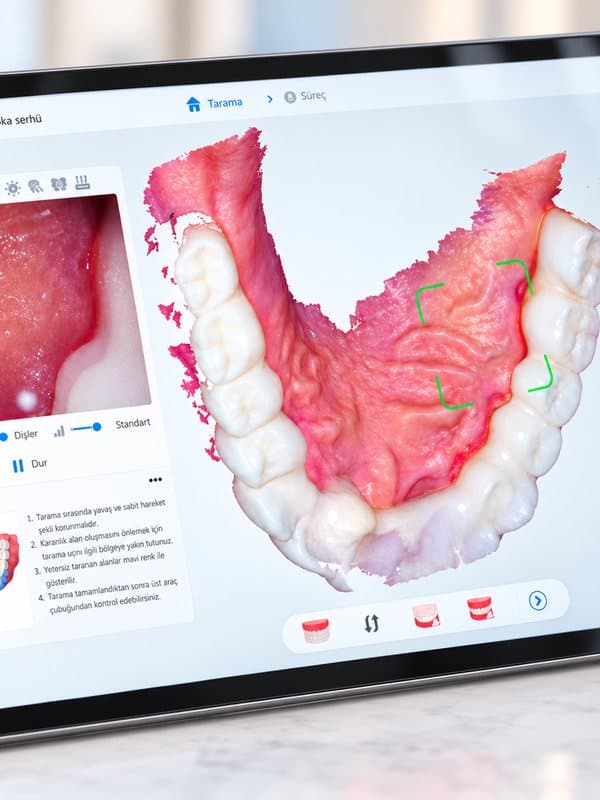
Advancements in dental technology have significantly improved the safety and efficacy of dental implant procedures. Techniques such as 3D imaging and guided implant surgery allow for precise placement of implants, reducing the likelihood of complications. Utilizing these technologies can lead to better outcomes and a smoother recovery process. Patients should inquire about the technologies and techniques their surgeon employs during the procedure.
Post-operative Care: Ensuring Success
Post-operative care is crucial for the success of dental implants. Following the procedure, patients must adhere to their dentist’s instructions to minimize risks. Factors such as diet, activity level, and follow-up appointments all play a role in the healing process. Inadequate post-operative care can lead to complications, including infections and implant failure.
Dietary Considerations
Patients are often advised to follow a soft diet immediately following surgery to avoid putting undue pressure on the implant site. Foods that are too hard or crunchy can disrupt the healing process. Additionally, staying hydrated and avoiding sugary beverages can help maintain oral health. In the weeks following the procedure, patients should gradually reintroduce solid foods, ensuring they maintain a balanced diet rich in vitamins and minerals to support healing.
Importance of Follow-up Appointments
Regular follow-up appointments with the dental professional are crucial for monitoring the healing process. During these visits, the dentist can assess the implant’s stability and address any concerns that may arise. Early intervention can prevent minor issues from escalating into significant complications. Patients should prioritize these appointments and communicate openly with their dentists about any unusual symptoms.
Conclusion: Minimizing Risks for Successful Dental Implants
Understanding what can increase the risk of dental implant complications is essential for anyone considering this procedure. By being aware of pre-existing health conditions, lifestyle factors, surgical expertise, and the importance of post-operative care, patients can significantly enhance their chances of success. Consulting with qualified dental professionals and making informed lifestyle choices are vital steps in this journey. If you are contemplating dental implants, take the time to discuss your health history and any concerns with your dentist. Together, you can create a tailored plan that maximizes your chances of a successful outcome and a healthy, beautiful smile.
FAQ
What are common factors that can increase the risk of dental implant complications?
Several factors can increase the risk of dental implant complications, including smoking, poor oral hygiene, and pre-existing medical conditions such as diabetes or autoimmune diseases. Smoking can impair healing, while inadequate oral care may lead to infections. Additionally, conditions like osteoporosis can affect bone density, compromising implant stability.
How does smoking affect dental implant success rates?
Smoking significantly increases the risk of dental implant complications by impairing blood flow and delaying healing. Nicotine restricts blood vessels, which can hinder the integration of the implant with the jawbone. Studies show that smokers have a higher failure rate for dental implants compared to non-smokers, making it crucial to quit before and after the procedure.
Can my oral hygiene practices impact dental implant outcomes?
Yes, your oral hygiene practices play a vital role in the success of dental implants. Poor oral hygiene can lead to plaque buildup, increasing the risk of peri-implantitis, an infection that can damage the bone surrounding the implant. Regular brushing, flossing, and routine dental check-ups are essential to maintain the health of your implants.
How do medical conditions influence the risk of dental implant complications?
Pre-existing medical conditions such as diabetes, heart disease, and autoimmune disorders can significantly influence the risk of dental implant complications. These conditions can impair healing, increase infection risk, and affect bone quality. It's crucial for patients to discuss their medical history with their dentist to assess their suitability for implants and potential risks.
What role does bone quality play in dental implant success?
Bone quality is a critical factor in the success of dental implants. Insufficient bone density or volume can lead to poor stability and increase the risk of failure. If the jawbone is too thin or weak, additional procedures like bone grafting may be required to enhance the site before implant placement, ensuring a higher success rate.