



What Are Attachments in Clear Aligner Treatment?
Clear aligners have revolutionized orthodontics, offering a discreet and effective way to straighten teeth. However, many patients may wonder, what are attachments in clear aligner treatment? Attachments, also known as buttons or anchors, are small dental appliances made from composite resin that are bonded to specific teeth during orthodontic treatment. They play a crucial role in enhancing the effectiveness of clear aligners by providing additional grip and control during the movement of teeth. This article will delve into the significance, types, and benefits of attachments in clear aligner treatment, ensuring you have a comprehensive understanding of their function and importance.
Understanding Attachments in Clear Aligner Treatment
Clear aligners work by applying gentle pressure to teeth, guiding them into the desired position over time. However, some teeth require more complex movements than others, which is where attachments come into play. Attachments help facilitate these movements by providing a surface for the aligners to grip onto, allowing for more precise control over tooth movement.
Typically, attachments are placed on teeth that need to rotate or move significantly. Their strategic placement can make a significant difference in the efficiency of treatment. For instance, if a tooth needs to rotate 90 degrees, a traditional aligner may struggle to achieve this without an attachment. The addition of an attachment allows the aligner to grip the tooth more effectively, leading to quicker and more accurate results.
Types of Attachments
Attachments come in various shapes and sizes, each designed to serve a specific purpose in orthodontic treatment. The most common types include:
- Buttons: Small, circular attachments that provide a broad surface area for grip.
- Rectangular Attachments: These are used mainly in cases where teeth need to be rotated or moved significantly in a specific direction.
- Custom Attachments: Tailored to the individual needs of a patient, these attachments can have unique shapes to enhance the movement of particular teeth.
Research shows that the placement of attachments can drastically reduce treatment time. For example, a study published in the American Journal of Orthodontics and Dentofacial Orthopedics found that patients with attachments had an average treatment time reduction of nearly 30% compared to those without attachments. Therefore, understanding the types of attachments and their applications is essential for achieving optimal results in clear aligner therapy.
Benefits of Using Attachments
The benefits of using attachments in clear aligner treatment are manifold. Firstly, they enhance the effectiveness of aligners in moving teeth into their desired positions. This is particularly crucial for complex movements, where traditional aligners may fall short. Secondly, attachments can help to minimize the need for additional orthodontic appliances, such as bands or brackets, thus maintaining the aesthetic appeal of clear aligners.
Moreover, attachments can significantly improve patient compliance. Clear aligners are already favored for their discreet appearance, and by using attachments, patients can achieve their desired results more efficiently. This efficiency can motivate patients to adhere to the treatment regimen, ensuring they wear their aligners for the recommended 20-22 hours a day.
How Attachments Are Placed
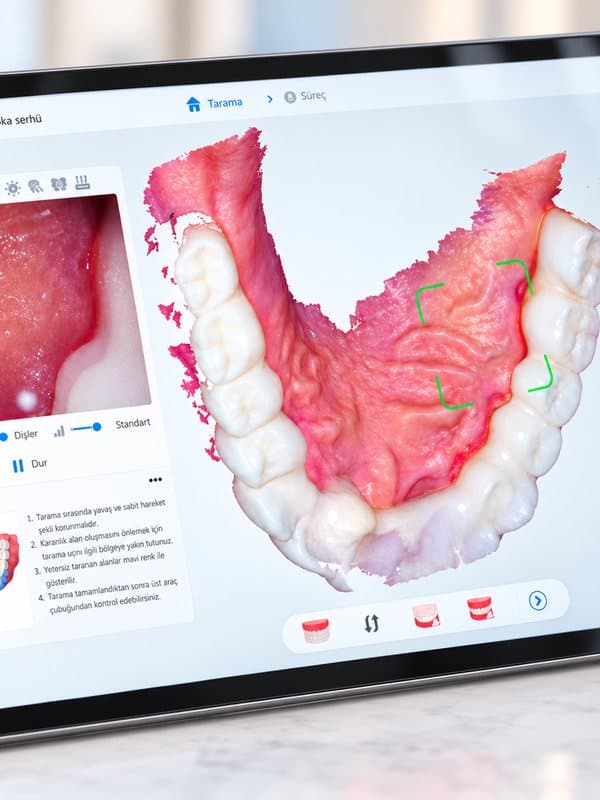
Understanding the process behind the placement of attachments can alleviate any concerns patients may have. The procedure typically involves a few simple steps. Initially, the orthodontist will conduct a thorough examination of the patient’s dental alignment and treatment goals. Based on this assessment, they will determine the optimal locations for the attachments.
Once the locations are identified, the orthodontist will prepare the tooth surfaces by cleaning and etching them to enhance the bond of the composite resin. The resin is then applied to the designated teeth and cured with a special light to harden it. This process generally takes less than an hour and is relatively painless. Many patients report feeling only minimal discomfort during the placement.
Aftercare and Maintenance
After the attachments are placed, it’s essential for patients to maintain proper oral hygiene to prevent plaque buildup around the attachments. Regular brushing and flossing are crucial, as attachments can sometimes trap food particles, which can lead to decay or gum disease if not addressed. Using a soft-bristled toothbrush and a non-abrasive toothpaste can help maintain both oral health and the longevity of the attachments.
Additionally, patients should attend regular follow-up appointments with their orthodontist to monitor the progress of their treatment. During these visits, the orthodontist may make adjustments to the aligners or evaluate the effectiveness of the attachments. This proactive approach ensures that any issues are addressed promptly, leading to a smoother treatment experience.
Common Misconceptions About Attachments
Despite their benefits, there are several misconceptions surrounding attachments in clear aligner treatment. One common belief is that attachments are uncomfortable or painful. In reality, while the initial placement may cause slight sensitivity, most patients adapt quickly and report minimal discomfort during their treatment.
Another misconception is that attachments are solely for severe cases of misalignment. In fact, they can be beneficial for a wide range of orthodontic issues, including mild to moderate cases. By enhancing the efficacy of aligners, attachments contribute to more predictable outcomes, regardless of the complexity of the case.
Conclusion
In summary, attachments play a vital role in the success of clear aligner treatment. By providing additional grip and control, they allow for more complex tooth movements, ultimately leading to shorter treatment times and improved outcomes. Understanding what are attachments in clear aligner treatment can empower patients to make informed decisions about their orthodontic care. If you’re considering clear aligners or have questions about your treatment plan, don’t hesitate to reach out to your orthodontist. They can provide personalized advice and ensure you achieve the smile you’ve always wanted.
FAQ
What are attachments in clear aligner treatment?
Attachments in clear aligner treatment are small, tooth-colored bumps made of composite material that are temporarily bonded to specific teeth. They serve as anchors to enhance the aligners' grip on the teeth, enabling more precise movements. These attachments help achieve more complex tooth movements that aligners alone might not be able to accomplish effectively.
Why are attachments necessary for clear aligner treatment?
Attachments are necessary for clear aligner treatment because they provide additional points of contact between the aligners and the teeth. This increased contact allows for better control over tooth movements, especially for cases requiring rotation or vertical movement. Without attachments, achieving the desired results in alignment can be significantly more challenging and less effective.
Do attachments hurt during clear aligner treatment?
Typically, attachments do not cause pain during clear aligner treatment. However, some patients may experience mild discomfort or sensitivity when the attachments are first placed or during the initial adjustment period as teeth start to move. This discomfort is usually temporary and manageable with over-the-counter pain relief if needed.
How long do attachments stay on during treatment?
Attachments generally remain on the teeth for the duration of your clear aligner treatment, which can vary from several months to a couple of years, depending on individual needs. Once your treatment is complete and your teeth have moved into their desired positions, the attachments can be easily removed by your dentist or orthodontist without causing damage to the tooth enamel.
Can I eat and drink normally with attachments?
Yes, you can eat and drink normally with attachments during clear aligner treatment. However, it is recommended to remove your aligners when eating or drinking anything other than water to prevent staining and ensure optimal hygiene. After eating, it’s essential to clean your teeth and the attachments before reinserting the aligners to maintain oral health and ensure effective treatment.