



Understanding Upper Jaw Implants: How Sinus Anatomy Affects Treatment Planning
Upper jaw implants are a significant advancement in dental restoration, allowing patients to regain function and aesthetics after tooth loss. However, the complexity of sinus anatomy plays a crucial role in the planning and execution of these procedures. Patients may wonder how their anatomical structures influence the success of implants and what considerations are necessary for optimal outcomes. This article delves into the intricate relationship between upper jaw implants and sinus anatomy, emphasizing the importance of tailored treatment planning. By understanding this connection, patients and dental professionals can make informed decisions that enhance the likelihood of successful implant integration.
The Anatomy of the Sinus and Its Relevance to Upper Jaw Implants
The maxillary sinus is a paired cavity located in the upper jaw, above the molars and premolars. Understanding its anatomy is crucial for dental professionals when planning upper jaw implants. The sinus can vary in size, shape, and position among individuals, influencing the available bone in the upper jaw for implant placement. In many cases, the sinus may extend into the area where implants are needed, creating potential complications.
For instance, if the sinus is larger than average, there may be insufficient bone height for secure implant placement. This situation can lead to the need for additional procedures, such as sinus lifts, to augment the bone before implants can be placed. A sinus lift involves raising the sinus membrane and adding bone graft material to increase the bone volume in the area, providing a stable foundation for implants. According to a study published in the Journal of Oral Implantology, sinus grafting techniques have a high success rate, with over 90% of patients benefiting from enhanced bone density for implant placement.
Types of Sinus Anatomy Variations
Variations in sinus anatomy can significantly impact treatment planning for upper jaw implants. Some individuals may have a naturally high sinus floor, which allows for a more straightforward implant placement. Others may have a low sinus floor or an unusually shaped sinus, complicating the treatment process. These anatomical differences necessitate comprehensive imaging studies, such as Cone Beam Computed Tomography (CBCT), to accurately assess the sinus's position and the surrounding bone structure.
For example, patients with a thin bone ridge may require a bone graft or a lateral window sinus lift, which involves creating an opening in the lateral wall of the sinus to access the bone for grafting. This technique can increase the bone volume and facilitate the placement of implants. On the other hand, patients with sufficient bone height might proceed directly to implant placement, streamlining the treatment process and reducing the overall treatment time. Understanding these variations is essential for crafting a personalized treatment plan that considers each patient’s unique anatomy.
Preoperative Assessment and Planning for Upper Jaw Implants
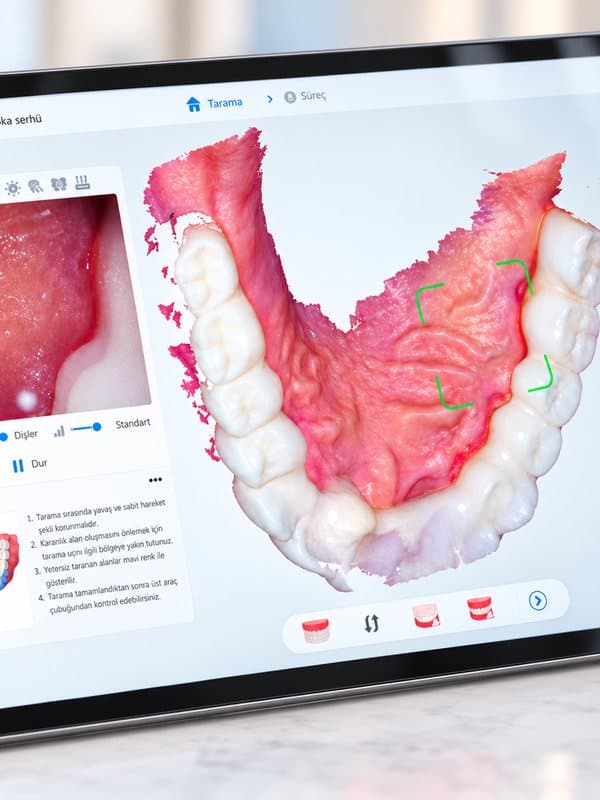
A thorough preoperative assessment is critical for successful upper jaw implants. This process begins with a comprehensive clinical evaluation, including a detailed medical history and a physical examination. Dentists consider factors such as the patient's overall health, dental history, and specific concerns regarding the upper jaw and sinus anatomy. Imaging techniques, particularly CBCT, provide essential data about the sinus's position, the density of the jawbone, and the overall anatomy of the area.
During the imaging phase, dental professionals can identify potential challenges such as insufficient bone volume or proximity to the sinus. This information is crucial in determining whether additional procedures, such as bone grafting or sinus lifts, are necessary before implant placement. It is essential to communicate these findings with the patient, outlining the implications for treatment duration, costs, and recovery time.
Importance of Collaborative Treatment Planning
Collaborative treatment planning among dental specialists, including oral surgeons, periodontists, and restorative dentists, is vital for patients undergoing upper jaw implants. Each specialist brings a unique perspective that enhances the overall treatment strategy. For instance, oral surgeons focus on surgical techniques, while periodontists specialize in the management of the surrounding soft tissue, which can influence implant success.
By working together, dental professionals can develop a comprehensive plan that addresses potential complications related to sinus anatomy. This collaboration ensures that all aspects of the patient's care are coordinated, leading to improved outcomes. Furthermore, it allows for a more thorough discussion with the patient about their options and what to expect throughout the treatment process.
Sinus Lift Procedures: Techniques and Considerations
For patients whose sinus anatomy presents challenges for upper jaw implants, sinus lift procedures may be necessary. These techniques involve raising the sinus membrane to create space for bone grafting, ultimately facilitating successful implant placement. There are two primary methods for performing sinus lifts: the lateral window approach and the crestal approach. Each technique has its advantages and is chosen based on the individual patient's anatomy and the surgeon's preference.
The lateral window approach involves creating a small opening in the lateral wall of the sinus, allowing access to the sinus membrane and the underlying bone. This technique is particularly beneficial for patients with significant bone loss. In contrast, the crestal approach utilizes the implant site itself to lift the sinus membrane, making it less invasive and often resulting in quicker recovery times. According to a study in the International Journal of Oral and Maxillofacial Surgery, both techniques have shown high success rates, but the choice should be tailored to the patient's specific needs.
Postoperative Care and Recovery After Upper Jaw Implants
Recovery after upper jaw implant surgery, especially when sinus lifts are involved, requires careful management to ensure optimal healing. Patients may experience swelling, discomfort, or mild bleeding in the initial days following the procedure. Adhering to postoperative care instructions, including rest, dietary modifications, and medication management, is essential for a smooth recovery.
Dental professionals typically schedule follow-up visits to monitor healing and confirm that the implant is integrating properly with the bone. Patients are encouraged to maintain good oral hygiene while avoiding direct contact with the surgical site to prevent complications. Studies indicate that following proper postoperative care significantly reduces the risk of implant failure, with success rates exceeding 95% in well-managed cases.
Common Misconceptions About Upper Jaw Implants and Sinus Anatomy
There are several misconceptions regarding upper jaw implants and the role of sinus anatomy that can create confusion for patients. One common belief is that sinus lifts are always necessary for implant placement in the upper jaw. However, many patients have sufficient bone volume to support implants without additional procedures. Dental professionals can determine the need for a sinus lift through thorough imaging and assessment.
Another misconception is that sinus lift procedures are excessively painful or complicated. While they do involve surgery, advancements in techniques and anesthesia options have made these procedures more manageable and less invasive. Patients often report minimal discomfort during and after the procedure, especially when proper care protocols are followed. Understanding these misconceptions is crucial for patients, as it can alleviate anxiety and promote a clearer understanding of their treatment options.
The Future of Upper Jaw Implants and Sinus Management
As dental technology continues to advance, the future of upper jaw implants and sinus management looks promising. Innovations in imaging, materials, and surgical techniques are enhancing the ability to provide effective treatment for patients with complex sinus anatomy. For instance, the use of 3D printing technology in creating custom bone grafts or surgical guides allows for more precise implant placement and improved outcomes.
Moreover, ongoing research is exploring the effectiveness of biologics and growth factors in promoting bone regeneration, which could reduce the need for sinus lift procedures in the future. These advancements indicate a trend towards more efficient and less invasive treatments, ultimately improving patient experiences and outcomes. Dental professionals must stay informed about these developments to provide the best care for their patients.
Conclusion
Upper jaw implants represent a vital solution for restoring dental function and aesthetics, but the significance of sinus anatomy cannot be overlooked in treatment planning. Understanding the variations in sinus anatomy and their implications for implant placement is essential for both patients and dental professionals. Through thorough preoperative assessments, collaborative planning, and informed decision-making, successful outcomes can be achieved. If you’re considering upper jaw implants or have concerns about your sinus anatomy, consult with a dental professional to discuss your options and create a personalized treatment plan. Your journey towards a healthier smile begins with informed choices.
FAQ
What are upper jaw implants?
Upper jaw implants are dental devices surgically placed in the upper jawbone to support artificial teeth or dentures. These implants serve as a robust foundation for dental restorations, providing stability and improved function for patients with missing teeth. Understanding how sinus anatomy affects treatment planning is crucial for successful implant placement.
How does sinus anatomy impact upper jaw implant placement?
Sinus anatomy significantly influences upper jaw implant placement due to the proximity of the maxillary sinuses to the upper jaw. If the sinus cavity is too close to the implant site, it can increase the risk of complications such as sinus perforation. Therefore, thorough imaging and assessment are essential for proper treatment planning, ensuring the implants are placed safely and effectively.
What are the risks associated with upper jaw implants near the sinuses?
The primary risks of placing upper jaw implants near the sinuses include sinus infection, implant failure, and potential discomfort or pain. If the sinus membrane is inadvertently damaged during surgery, it can lead to complications. Therefore, careful evaluation of sinus anatomy is vital in treatment planning to mitigate these risks and enhance the chances of a successful outcome.
What imaging techniques are used to assess sinus anatomy for implants?
Imaging techniques such as Cone Beam Computed Tomography (CBCT) and panoramic X-rays are commonly used to assess sinus anatomy for upper jaw implants. These advanced imaging modalities provide detailed views of the bone structure and the sinus cavities, allowing dental professionals to develop an accurate treatment plan that considers the unique anatomical features of each patient.
Can sinus lifts be performed during upper jaw implant placement?
Yes, sinus lifts can be performed during upper jaw implant placement when there is insufficient bone height to accommodate the implants. A sinus lift involves augmenting the bone by raising the sinus membrane and adding bone graft material. This procedure allows for more successful implant placement, especially when sinus anatomy poses challenges during treatment planning.