



Replacing several missing teeth with dental implants can dramatically improve not only the aesthetics of a smile but also the functionality of one's bite. For individuals suffering from tooth loss, whether due to injury, decay, or periodontal disease, dental implants present a permanent solution that mimics the look and feel of natural teeth. This procedure has evolved significantly over the years, becoming a popular choice among dental professionals and patients alike. With advancements in technology and techniques, dental implants have become more accessible, safe, and effective. In this article, we will delve into the process of replacing multiple missing teeth with dental implants, discussing their benefits, the procedure, recovery, and long-term care, ensuring that readers are well-informed about this transformative dental solution.
Understanding Dental Implants
Dental implants serve as artificial tooth roots that provide a strong foundation for fixed or removable replacement teeth. They consist of three main components: the titanium post, the abutment, and the crown. The titanium post is surgically placed into the jawbone, where it integrates with the bone in a process called osseointegration. This integration is crucial for the stability and longevity of the implant. The abutment connects the implant to the crown, which is the visible part of the tooth that mimics natural enamel.
One of the primary advantages of dental implants is their durability. Unlike dentures, which can shift and require adhesive, dental implants are anchored directly into the jawbone, offering unparalleled stability and comfort. A study published in the Journal of Dental Research found that dental implants have a success rate of up to 98%, making them one of the most reliable options for tooth replacement.
Moreover, dental implants prevent bone loss, a common consequence of tooth loss. When a tooth is missing, the underlying jawbone can begin to deteriorate due to lack of stimulation. Dental implants stimulate the bone just like natural teeth, preserving its structure and density. This is particularly important for individuals replacing several missing teeth, as preserving the jawbone can prevent further complications and maintain facial aesthetics.
The Benefits of Replacing Several Missing Teeth With Dental Implants
The benefits of replacing several missing teeth with dental implants extend beyond aesthetics. Here are some key advantages:
Improved Functionality
Replacing several missing teeth with dental implants restores full chewing function. Unlike removable dentures, which can slip and cause discomfort, dental implants provide a secure solution that allows individuals to eat a wide variety of foods without worry. Patients often report that their ability to bite and chew improves significantly after the procedure, allowing them to enjoy their favorite foods once again.
Aesthetic Enhancement
Dental implants closely resemble natural teeth, which greatly enhances the aesthetic appeal of a smile. The crowns can be custom-designed to match the color and shape of existing teeth, resulting in a seamless integration. This aesthetic enhancement is particularly important for individuals who have lost multiple teeth in visible areas, as it can significantly boost self-confidence and improve social interactions.
Long-Term Cost-Effectiveness
While the initial cost of dental implants may be higher than other tooth replacement options, they are often more cost-effective in the long run. Dental implants do not require frequent replacements or adjustments, as dentures might. With proper care and maintenance, dental implants can last a lifetime, reducing the need for ongoing dental expenses associated with other solutions.
The Procedure for Dental Implants
The process of replacing several missing teeth with dental implants typically involves several stages, which can span over several months. Here’s a breakdown of the procedure:
Initial Consultation and Treatment Planning
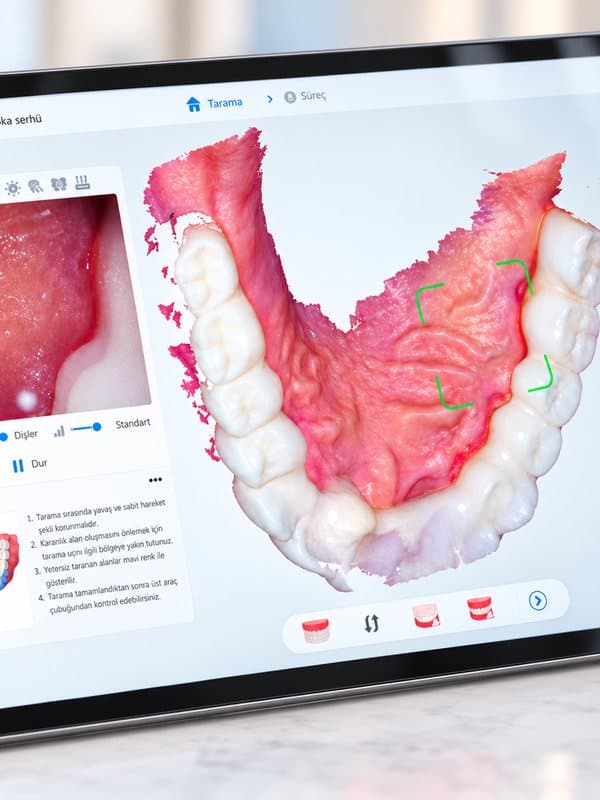
The first step is a thorough consultation with a dental professional. During this appointment, the dentist will evaluate the patient’s oral health, take X-rays, and discuss the patient’s goals. A treatment plan will be created, considering factors such as the number of implants needed and the overall condition of the jawbone. In some cases, a bone graft may be required to ensure there is sufficient bone density for successful implant placement.
Surgical Placement of Implants
Once the treatment plan is in place, the surgical procedure begins. Under local anesthesia or sedation, the dentist will place the titanium posts into the jawbone. This step usually takes about one to two hours per implant. After placement, it’s crucial to allow time for osseointegration, which can take several months. During this period, the bone grows around the implant, creating a secure foundation.
Abutment Placement and Crown Fabrication
Once osseointegration is complete, the dentist will attach the abutments to the implants. This requires a minor surgical procedure to expose the implant. After the abutments are placed, impressions will be taken to create custom crowns that match the patient’s natural teeth. These crowns are typically made of porcelain or ceramic for a natural appearance. The final step involves securing the crowns to the abutments, completing the restoration.
Recovery and Aftercare
Recovery after replacing several missing teeth with dental implants varies from person to person, but most patients can expect some swelling and discomfort following the surgery. Pain management can be handled with over-the-counter medications and prescribed pain relievers, if necessary. Following proper aftercare is crucial for a successful recovery:
Post-Operative Care Tips
- Follow the dentist's recommendations for diet, avoiding hard or crunchy foods initially.
- Maintain good oral hygiene by gently brushing and rinsing with an antibacterial mouthwash.
- Attend all follow-up appointments to monitor healing and ensure that the implants are integrating properly.
Long-Term Maintenance
Once recovery is complete, maintaining dental implants is relatively straightforward. Regular dental check-ups and professional cleanings are essential for ensuring that the implants remain healthy. Additionally, individuals should continue practicing good oral hygiene at home, including daily brushing and flossing. Research shows that patients who maintain consistent oral care can significantly extend the lifespan of their implants.
Common Misconceptions About Dental Implants
Despite the growing popularity of dental implants, several misconceptions persist that may deter potential patients:
Misconception: Dental Implants Are Extremely Painful
Many individuals fear that the dental implant procedure is painful. However, with advancements in anesthesia and sedation techniques, most patients report little to no discomfort during the procedure. Post-operative pain is generally manageable with medication.
Misconception: Dental Implants Are Only for the Elderly
Another common misconception is that dental implants are only suitable for older adults. In reality, they can be an excellent option for adults of all ages who have lost teeth due to various reasons. As long as the patient has healthy gums and sufficient bone density, age should not be a deterrent.
Conclusion
Replacing several missing teeth with dental implants is a highly effective solution that offers numerous benefits, including improved functionality, aesthetic enhancement, and long-term cost-effectiveness. Understanding the procedure, recovery process, and maintenance can empower individuals to make informed decisions about their dental health. If you or someone you know is considering this transformative dental solution, consult with a qualified dental professional to explore the best options tailored to your needs. Dental implants can restore not only your smile but also your confidence and quality of life. Take the first step today towards achieving a healthy, beautiful smile.
FAQ
What is Replacing Several Missing Teeth With Dental Implants?
Replacing Several Missing Teeth With Dental Implants is a dental procedure that involves the surgical placement of titanium posts into the jawbone to serve as artificial tooth roots. These implants provide a strong foundation for fixed or removable replacement teeth, ensuring both aesthetic appeal and functional efficiency. This method helps restore the natural look and feel of teeth while promoting oral health by preventing bone loss and maintaining jaw structure.
How long does the process of getting dental implants take?
The process of Replacing Several Missing Teeth With Dental Implants typically takes several months. Initially, a consultation and imaging tests are performed to assess bone health and plan the procedure. Following the surgical placement of the implants, a healing period of 3 to 6 months is necessary for osseointegration, where the bone integrates with the implant. After this, custom crowns or bridges are made and attached, completing the process.
Are dental implants a painful procedure?
Many patients wonder if Replacing Several Missing Teeth With Dental Implants is painful. During the procedure, local anesthesia is used to minimize discomfort. Most patients report mild soreness or swelling afterward, which can usually be managed with over-the-counter pain medication. The long-term benefits of dental implants often outweigh any temporary discomfort experienced during the healing process.
What are the benefits of dental implants compared to dentures?
Replacing Several Missing Teeth With Dental Implants offers numerous advantages over traditional dentures. Implants provide enhanced stability and comfort, eliminating the need for messy adhesives. They also look and function more like natural teeth, allowing for better chewing and speaking. Additionally, dental implants help preserve jawbone density, preventing the sunken appearance often associated with long-term denture use.
Who is a good candidate for dental implants?
A good candidate for Replacing Several Missing Teeth With Dental Implants should have healthy gums and sufficient jawbone density to support the implants. Individuals who are missing multiple teeth due to injury, decay, or periodontal disease can benefit from this procedure. A thorough dental evaluation by a professional is necessary to determine suitability, especially for those with underlying health concerns or those who smoke.