



Understanding Inlay and Onlay Restorations for Damaged Back Teeth
When it comes to dental health, maintaining the integrity of back teeth—the molars—is essential for proper chewing and overall oral function. Inlay and onlay restorations for damaged back teeth have emerged as an effective solution to restore both the functionality and aesthetics of these crucial teeth. These restorations are specifically designed to address issues such as decay, fracture, or significant wear that traditional fillings may not adequately repair. In this comprehensive article, we will explore the various facets of inlay and onlay restorations, including what they are, the benefits they offer, the procedure involved, and aftercare tips to ensure longevity and oral health.
What Are Inlay and Onlay Restorations?
Inlay and onlay restorations are custom-made dental fittings that are used to restore damaged back teeth. While both serve similar purposes, they differ in terms of the extent of coverage they provide. An inlay is placed within the confines of the tooth’s cusps, essentially filling a cavity where decay has occurred. In contrast, an onlay extends over one or more cusps of the tooth, making it a more extensive restoration for teeth that have experienced significant damage.
The materials used for inlay and onlay restorations can vary, with options including porcelain, composite resin, and gold. Porcelain is particularly popular due to its ability to closely match the natural color of teeth, making for a more aesthetically pleasing result. Composite resin, while also tooth-colored, is less durable than porcelain and gold, which, although not as aesthetic, offers superior strength and durability.
Benefits of Inlay and Onlay Restorations
One of the primary benefits of inlay and onlay restorations is their ability to provide a durable solution for damaged teeth. Unlike traditional fillings, which can wear out over time, inlays and onlays are designed to last longer and withstand the pressures of chewing. Furthermore, they are custom-made to fit the unique contours of a patient’s tooth, ensuring a snug fit that minimizes the risk of further decay.
Additionally, inlay and onlay restorations help to preserve more of the natural tooth structure compared to crowns, which often require more extensive removal of the original tooth. This preservation is crucial for maintaining the tooth’s strength and integrity. Moreover, these restorations are less likely to cause sensitivity to temperature changes, a common issue with traditional fillings.
Cost Considerations
While inlay and onlay restorations for damaged back teeth can be more expensive than traditional fillings, their durability and longevity often outweigh the initial cost. On average, costs can range from $650 to $1,200 per tooth, depending on various factors such as the material used, the complexity of the case, and the dental practice's location. Many dental insurance plans also cover a portion of these restorations, making them a viable option for many patients.
The Procedure for Inlay and Onlay Restorations
The procedure for obtaining inlay and onlay restorations generally requires two visits to the dentist. During the first appointment, the dentist will assess the extent of damage to the tooth and take X-rays to determine the best course of action. If inlay or onlay restorations are deemed necessary, the dentist will proceed to remove any decay and clean the affected area.
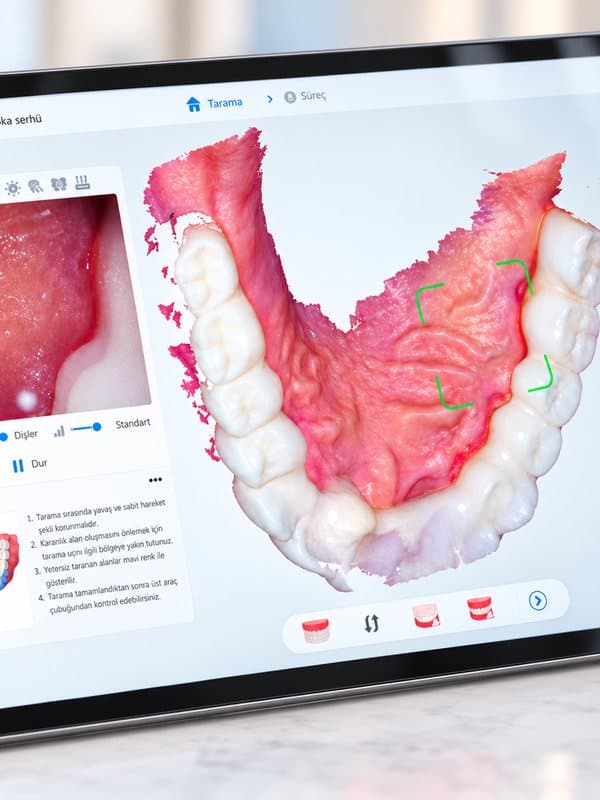
Next, an impression of the tooth will be taken to create a custom inlay or onlay. This impression is crucial for ensuring a perfect fit. While the custom restoration is being made—typically taking one to two weeks—the dentist may place a temporary filling to protect the tooth.
Final Placement
During the second visit, the temporary filling will be removed, and the custom inlay or onlay will be carefully fitted to the tooth. The dentist will check for proper alignment and make any necessary adjustments before permanently bonding the restoration in place. Once secured, the restoration will be polished to ensure a natural finish and comfortable bite.
Aftercare for Inlay and Onlay Restorations
After the placement of inlay and onlay restorations, patients should follow specific aftercare instructions to ensure the longevity of their restorations. It is advisable to avoid hard or sticky foods for at least 24 hours after the procedure to allow the bonding material to set correctly. Brushing and flossing should continue as normal, but extra care should be taken around the restoration site to prevent plaque buildup.
Moreover, regular dental check-ups are essential for monitoring the condition of the restorations and the overall health of the teeth. During these visits, the dentist can identify any potential issues early on and offer solutions to avoid further complications.
Common Misconceptions
Despite their advantages, there are common misconceptions surrounding inlay and onlay restorations. One prevalent myth is that these restorations are only for severely damaged teeth; however, they can also be an excellent solution for moderate decay or wear. Another misconception is the belief that they are too expensive. While initial costs may be higher than traditional fillings, their durability often makes them a more cost-effective choice in the long run, as they typically do not require frequent replacement.
Comparing Inlays and Onlays with Other Dental Restorations
Inlay and onlay restorations for damaged back teeth are not the only dental restoration options available. It is important to understand how they compare with other methods such as crowns and traditional fillings. Traditional fillings are usually sufficient for minor cavities and are less expensive but may not last as long or provide the same level of protection. Crowns, on the other hand, cover the entire tooth and are used when a tooth is severely damaged but require more tooth structure removal compared to inlays and onlays.
Below is a comparison table that summarizes the differences between these restoration options:
| Restoration Type | Coverage | Durability | Cost |
|---|---|---|---|
| Traditional Filling | Partial | Moderate | Low |
| Inlay | Within cusps | High | Moderate |
| Onlay | Over cusps | Very High | Higher |
| Crown | Entire tooth | Very High | Highest |
Conclusion
Inlay and onlay restorations for damaged back teeth provide a durable and aesthetically pleasing solution to dental issues caused by decay or fractures. Their ability to preserve natural tooth structure while offering strength makes them a preferred choice for many dental professionals and patients alike. Understanding the procedure, benefits, and aftercare associated with these restorations can help empower patients to make informed decisions about their dental health. If you suspect that you may need inlay or onlay restorations, consult with your dentist to assess your oral health and explore the best options for restoration. Don’t let damaged teeth compromise your smile—take the step toward restoring your dental health today!
FAQ
What is the difference between inlays and onlays for damaged back teeth?
Inlays and onlays are both types of dental restorations used to repair damaged back teeth, but they differ in their application. Inlays are used for cavities that are located within the cusps of a tooth, while onlays cover one or more cusps and extend over the tooth's surface. Both options are custom-made to fit the tooth and are typically made from durable materials like porcelain or composite resin.
How are inlay and onlay restorations applied to damaged back teeth?
The process for applying inlay and onlay restorations typically involves two visits. During the first visit, the dentist will remove any decay and take impressions of the tooth. They will place a temporary restoration while the permanent inlay or onlay is custom-made in a lab. At the second visit, the temporary restoration is removed, and the custom piece is bonded to the tooth, ensuring a secure and natural fit.
How long do inlay and onlay restorations last?
Inlay and onlay restorations for damaged back teeth can last anywhere from 5 to 15 years, depending on various factors such as the material used, oral hygiene practices, and the location of the restoration. Proper care, including regular dental check-ups and maintaining good oral hygiene, can significantly extend the lifespan of these restorations, ensuring they remain functional and aesthetically pleasing.
Are inlay and onlay restorations painful?
The applications of inlay and onlay restorations are generally not painful, as local anesthesia is administered during the procedure to ensure comfort. Patients may experience some sensitivity or discomfort afterward, particularly if the tooth was significantly damaged. However, these sensations typically subside within a few days, and most patients find the benefits of restored function and appearance far outweigh any temporary discomfort.
How do I care for inlay and onlay restorations?
Caring for inlay and onlay restorations for damaged back teeth is similar to caring for natural teeth. Regular brushing and flossing are essential to maintain oral hygiene. It is also advisable to avoid hard foods that could damage the restoration and to visit the dentist for routine check-ups. Keeping up with oral care will help ensure the longevity and effectiveness of your restorations.