



When it comes to dental restoration options, a dental bridge is a popular choice for those looking to replace missing teeth. Understanding how long a dental bridge can last with proper oral care is crucial for anyone considering this treatment. With advancements in dental technology and techniques, many patients find that bridges can provide a long-lasting solution when maintained correctly. In this article, we will delve into the lifespan of dental bridges, factors that affect their longevity, and essential oral care practices that can help maximize their durability.
Understanding Dental Bridges
A dental bridge is a prosthetic device that fills the gap created by one or more missing teeth. Typically anchored to adjacent teeth or dental implants, bridges can be made from various materials, including porcelain, gold, or a combination of both. The main types of dental bridges include traditional bridges, cantilever bridges, and Maryland bridges. Each type serves the same purpose but varies in design and application.
Traditional bridges involve creating crowns for the teeth on either side of the gap, while cantilever bridges are used when there is only one adjacent tooth. Maryland bridges, on the other hand, consist of a metal or porcelain framework that is bonded to the back of the adjacent teeth. Each type of bridge has its indication and can significantly improve both function and aesthetics for patients. In practice, this means that patients will have improved chewing ability, enhanced appearance, and restored confidence.
Research indicates that dental bridges can last anywhere from 5 to 15 years, depending on various factors. Understanding these factors can help patients make informed decisions about their oral health and the longevity of their dental restorations. For instance, a study published in the Journal of Prosthetic Dentistry reported that over 90% of dental bridges remain functional for at least ten years with proper care. This statistic highlights the importance of maintaining excellent oral hygiene and regular dental checkups.
Factors Affecting the Longevity of Dental Bridges
Material Quality
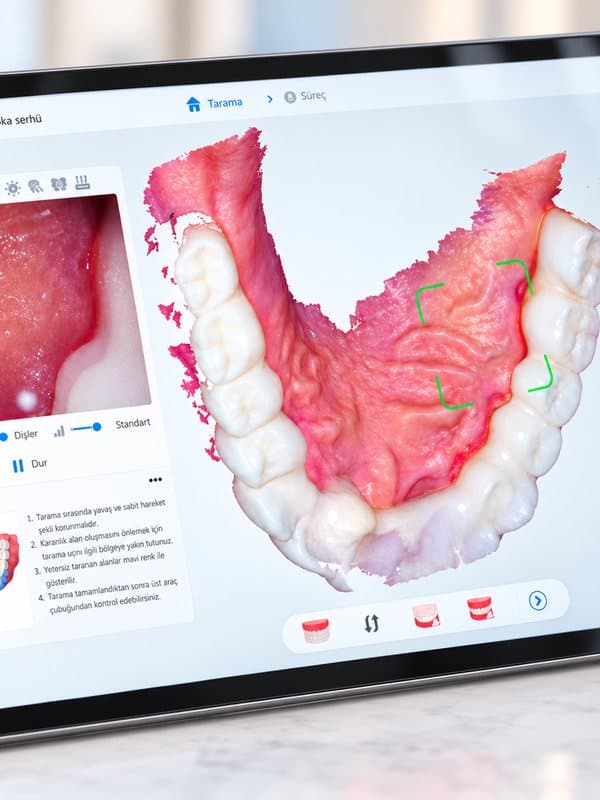
The longevity of a dental bridge significantly depends on the quality of materials used in its construction. High-quality materials such as porcelain or high-strength ceramics tend to be more durable than lower-grade alternatives. For example, porcelain-fused-to-metal bridges offer both strength and aesthetics, making them a popular choice among dental professionals. Additionally, advancements in dental technology, such as CAD/CAM (Computer-Aided Design and Computer-Aided Manufacturing), have resulted in stronger and more precise restorations.
Patients should consult their dentists about the materials being used for their bridges. An informed choice can directly influence the lifespan of the bridge. Dentists often recommend materials that best suit the patient’s specific needs, taking into account factors like bite force and aesthetic preferences. In practice, this means that investing in high-quality materials can lead to a more durable and satisfying dental restoration.
Oral Hygiene Practices
Maintaining excellent oral hygiene is crucial for the longevity of a dental bridge. Regular brushing, flossing, and professional cleanings can help prevent decay and gum disease, which can compromise the integrity of the bridge. Patients should brush their teeth at least twice a day with fluoride toothpaste and use an interdental brush or floss specifically designed for dental bridges to clean around the abutment teeth and underneath the bridge.
Moreover, research from the American Dental Association emphasizes the importance of routine dental checkups. Regular visits allow dentists to monitor the condition of the bridge and surrounding teeth, ensuring any potential issues are addressed promptly. For example, a dental hygienist can remove plaque buildup that may not be accessible through regular brushing. This proactive approach can significantly increase the lifespan of a dental bridge, making it a critical component of oral care.
How Long Can a Dental Bridge Last With Proper Oral Care?
The question of how long a dental bridge can last with proper oral care is multifaceted. On average, patients can expect their bridges to last between 10 to 15 years, given diligent care and regular professional oversight. However, some bridges can last even longer with exceptional maintenance and care. For instance, patients who follow their dentist's recommendations closely and maintain good oral hygiene practices have reported bridges lasting over 20 years.
Additionally, lifestyle factors such as diet, smoking, and frequency of dental visits play a significant role in determining the lifespan of a dental bridge. A diet high in sugar can promote decay around the bridge, while smoking is known to negatively impact gum health. Therefore, patients who lead a healthy lifestyle and adhere to a robust oral care routine can mitigate these risks and enhance the longevity of their dental bridges.
Common Misconceptions About Dental Bridges
Dental Bridges Are Permanent
One common misconception is that dental bridges are permanent solutions. While they are designed to last many years, they are not immune to wear and tear. Factors such as improper care, grinding teeth, or underlying dental issues can necessitate replacement or repair. It's essential for patients to understand that ongoing care is crucial for maintaining their bridge's functionality.
Dental Bridges Don’t Require Special Care
Another misconception is that dental bridges do not require special care. On the contrary, bridges need meticulous attention, especially in cleaning around the supporting teeth. Patients should invest in tools like floss threaders or special brushes designed to accommodate bridges. Understanding that bridges require specific care can help individuals maintain their oral health effectively.
Practical Tips for Maintaining Your Dental Bridge
To ensure that your dental bridge lasts as long as possible, consider the following practical tips:
- Brush Regularly: Brush your teeth at least twice daily using a soft-bristled toothbrush and fluoride toothpaste to help prevent plaque buildup.
- Floss Daily: Use dental floss or interdental brushes to clean around the bridge and underneath it, helping to prevent gum disease.
- Routine Checkups: Schedule regular dental appointments for professional cleanings and checkups to monitor the health of your bridge and surrounding teeth.
- Avoid Hard Foods: Be cautious with hard or sticky foods that can damage your bridge. Cut up hard foods into smaller pieces to minimize risk.
- Consider Mouthguards: If you grind your teeth at night, consider wearing a mouthguard to protect your bridge and natural teeth from undue stress.
Conclusion
In conclusion, understanding how long a dental bridge can last with proper oral care is vital for anyone considering this dental restoration option. With proper maintenance, a dental bridge can last from 10 to 15 years or even longer, depending on various factors such as material quality, oral hygiene practices, and lifestyle choices. By adhering to recommended care routines and consulting with dental professionals, individuals can ensure their bridges remain functional and aesthetically pleasing for years to come. If you're considering a dental bridge or have one already, commit to a diligent oral care regimen today for a healthier, longer-lasting smile!
FAQ
How long can a dental bridge last with proper oral care?
A dental bridge can last anywhere from 5 to 15 years, or even longer, with proper oral care. Regular brushing and flossing are essential to maintain the health of both the bridge and the surrounding teeth. Additionally, routine dental check-ups and cleanings can help identify any issues early, ensuring the longevity of your dental bridge.
What factors influence the lifespan of a dental bridge?
Several factors can influence how long a dental bridge lasts, including the material used, the patient's oral hygiene habits, and the condition of the supporting teeth. Bridges made from high-quality materials like porcelain tend to last longer. Furthermore, habits like grinding teeth or poor diet can negatively impact the lifespan of the bridge, making proper care crucial.
Can I eat normally with a dental bridge?
Yes, you can eat normally with a dental bridge, but it's advisable to avoid hard or sticky foods that may damage the bridge or dislodge it. Proper oral care, including thorough cleaning after meals, is vital to ensure the bridge remains intact and functions well. Always consult your dentist for personalized advice on your specific dental bridge.
How should I care for my dental bridge?
Caring for your dental bridge involves regular brushing with fluoride toothpaste, flossing daily, and using an antibacterial mouthwash. It's important to clean around the bridge to prevent plaque buildup. Additionally, visiting your dentist regularly for check-ups and cleanings can help monitor the bridge's condition and maintain optimal oral health.
What signs indicate that my dental bridge may need replacement?
Signs that your dental bridge may need replacement include increased sensitivity, visible damage or wear, and changes in how it fits. If you notice discomfort or if food frequently gets trapped around the bridge, these could be indicators of underlying issues. Regular dental visits allow your dentist to assess the bridge's condition and recommend appropriate action.