


Understanding the intricate relationship between dental health and overall well-being is crucial for anyone seeking to improve their smile and functionality. "How Bite Correction Can Affect Both Function and Smile Appearance" encompasses not just aesthetic enhancements but also significant functional improvements. A misaligned bite can lead to various dental issues, including tooth wear, jaw pain, and difficulty in chewing. This article will delve into the multifaceted benefits of bite correction, providing insights into its impact on both the function of your teeth and the appearance of your smile. Whether you are considering orthodontic treatment or simply curious about how your bite affects your daily life, this comprehensive guide will serve as a valuable resource.
Understanding Bite Correction
Bite correction refers to the process of adjusting the alignment of teeth and jaws to achieve a functional and aesthetically pleasing bite. The human dental structure often faces challenges such as overcrowding, gaps, and misalignment, leading to what is clinically termed malocclusion. Malocclusion can be categorized into different types, including overbites, underbites, and crossbites, each presenting unique challenges. For instance, an overbite occurs when the upper front teeth significantly overlap the lower teeth, while an underbite is characterized by the lower teeth extending beyond the upper teeth. These misalignments not only compromise the appearance of a smile but also hinder essential functions like chewing and speaking.
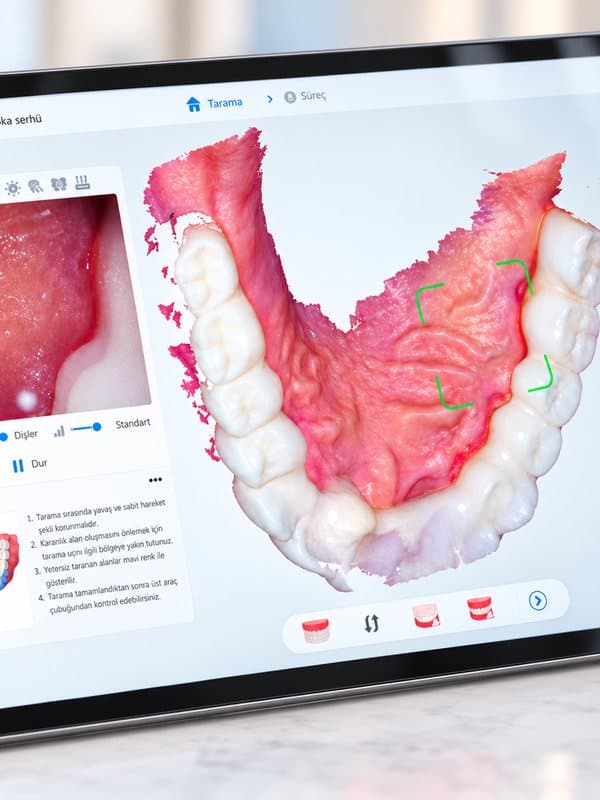
From a historical perspective, bite correction has evolved significantly. Early orthodontic practices were rudimentary at best, often using metal bands and rudimentary appliances. Today's advancements in technology have transformed bite correction into a precise science, utilizing tools like digital imaging and 3D printing to create customized orthodontic solutions. The modern approach often involves the use of braces, aligners, or retainers, which work together to gradually shift teeth into their correct positions. Understanding the nature of your bite is the first step toward recognizing the potential benefits of correction.
Benefits of Correcting Your Bite
Correcting a misaligned bite offers a myriad of benefits. One of the most significant advantages is the enhancement of oral function. A properly aligned bite allows for efficient chewing and speaking, reducing the strain on jaw muscles and minimizing the risk of temporomandibular joint (TMJ) disorders. For example, individuals with a misaligned bite may experience discomfort or pain when chewing, leading to an avoidance of certain foods. This can ultimately affect nutritional intake. Research indicates that proper bite alignment can enhance food digestion and overall health by facilitating more effective chewing.
Moreover, correcting bite issues leads to improved oral hygiene. Misaligned teeth create hard-to-reach areas that can harbor plaque and bacteria, increasing the risk of cavities and gum disease. By achieving a proper bite, individuals can maintain better oral hygiene practices, reducing their susceptibility to dental issues. Additionally, studies show that patients who undergo bite correction often report increased confidence, leading to a more positive self-image and improved social interactions. This psychological aspect is an important yet often overlooked benefit of orthodontic treatment.
How Bite Correction Can Affect Both Function and Smile Appearance
When discussing how bite correction can affect both function and smile appearance, it's essential to explore the aesthetic improvements that accompany functional enhancements. A beautiful smile is often associated with straight, well-aligned teeth. Consequently, when orthodontic treatment is undertaken, the visual impact is profound. For instance, aligning teeth not only enhances their appearance but also contributes to facial symmetry, which is often perceived as attractive. In many cases, patients report feeling more confident about their smile after bite correction, which can lead to improved social interactions and a higher quality of life.
Furthermore, the relationship between bite correction and smile aesthetics is supported by research. A study published in the American Journal of Orthodontics and Dentofacial Orthopedics found that individuals with well-aligned teeth are often perceived as more successful and approachable. This perception underscores the importance of addressing both functional and aesthetic aspects of a misaligned bite. The psychological benefits of a corrected smile can lead to enhanced self-esteem and a willingness to engage more with others.
The Role of Orthodontic Treatments
Orthodontic treatments play a pivotal role in achieving bite correction. Various options are available, ranging from traditional metal braces to clear aligners like Invisalign. Each method has its own set of advantages and considerations. Metal braces are generally more effective for severe bite issues, as they apply continuous pressure to the teeth, gradually moving them into the correct position. Conversely, clear aligners offer a more discreet option, making them popular among adults and teens who may feel self-conscious about their appearance during treatment.
It's essential to consult with an orthodontist to determine the most suitable treatment plan based on individual needs. Factors such as age, severity of misalignment, and personal preferences will all influence the choice of treatment. Many orthodontists utilize advanced imaging techniques to create a customized treatment plan that addresses the specific alignment issues while also considering the desired aesthetic outcomes. In practice, this means that patients can expect a comprehensive approach to their dental health, leading to both functional and aesthetic improvements.
Common Misconceptions About Bite Correction
Despite the numerous benefits of bite correction, several misconceptions persist that can deter individuals from seeking necessary treatment. One common myth is that orthodontic treatment is only for children and teenagers. In reality, adults can also benefit significantly from bite correction, as jaw and tooth alignment can change over time. Many orthodontists now offer solutions tailored specifically for adults, ensuring that age is not a barrier to achieving a healthy bite and attractive smile.
Another misconception is that bite correction is purely cosmetic. While aesthetic improvements are a significant benefit, the functional enhancements are equally important. The discomfort associated with bite misalignment can lead to severe health issues if left untreated. Additionally, many people believe that orthodontic treatments are excessively painful. While some discomfort may occur during the adjustment phases, modern techniques and materials have greatly reduced the pain associated with bite correction.
Financial Considerations and Accessibility
Financial considerations can also be a barrier for many seeking bite correction. However, many orthodontists offer flexible payment plans, insurance options, and financing solutions to make treatment more accessible. Additionally, some dental plans may cover a portion of orthodontic treatment, especially if it is deemed necessary for health reasons rather than purely cosmetic ones. It's essential to discuss all financial aspects with your orthodontist to determine the best approach for your budget.
Long-Term Benefits of Bite Correction
Investing in bite correction yields long-term benefits that extend beyond the initial treatment phase. Proper alignment can prevent future dental issues, such as uneven wear and tear on teeth, which can lead to costly restorative procedures down the line. Research indicates that individuals who have undergone bite correction are less likely to encounter serious dental problems, as their teeth are better positioned to withstand daily wear and tear.
Moreover, bite correction can significantly enhance a person's quality of life. Improved chewing function leads to better digestion and overall health, while the psychological benefits associated with an attractive smile cannot be overstated. Individuals who feel confident in their appearance are more likely to engage socially, pursue professional opportunities, and maintain positive relationships. This holistic improvement in life quality underscores the importance of addressing bite issues promptly and effectively.
Conclusion: Taking the Next Steps
Understanding how bite correction can affect both function and smile appearance is vital for anyone considering orthodontic treatment. From improved oral function to enhanced aesthetics, the benefits of correcting a misaligned bite are far-reaching. If you're experiencing discomfort, misalignment, or simply wish to improve your smile, consulting with an orthodontist is an essential first step. With advancements in technology and a variety of treatment options available, achieving a healthy and attractive smile is more accessible than ever. Don't hesitate to take the next steps toward your dental health—schedule a consultation today and embark on your journey to a better bite and a brighter smile.
| Aspect | Benefit of Bite Correction |
|---|---|
| Functionality | Improved chewing, speaking, and jaw health |
| Aesthetics | Enhanced smile appearance and facial symmetry |
| Oral Hygiene | Easier to maintain cleanliness, reducing cavity risk |
| Psychological | Increased confidence and social engagement |
| Long-Term Health | Reduced risk of future dental problems |
FAQ
What is bite correction, and why is it important for my smile?
Bite correction refers to dental treatments aimed at aligning the teeth and jaws to achieve an optimal bite. Proper bite alignment not only enhances the appearance of your smile by creating a more symmetrical and aesthetically pleasing look but also improves overall oral function. A corrected bite can reduce wear and tear on teeth, alleviate jaw pain, and enhance chewing efficiency, making it essential for both health and beauty.
How does bite correction impact chewing and eating?
Bite correction plays a crucial role in improving chewing and eating efficiency. When your bite is misaligned, it can lead to difficulty in properly breaking down food, causing discomfort and digestive issues. By correcting the bite, patients often experience enhanced chewing capability, leading to better digestion and overall health. Proper alignment also minimizes the risk of teeth grinding, which can further damage teeth and affect eating habits.
Can bite correction improve my overall oral health?
Yes, bite correction can significantly enhance your overall oral health. Misaligned bites can contribute to various dental issues, including tooth decay, gum disease, and jaw disorders like TMJ. By addressing bite discrepancies, patients often experience a decrease in dental problems, reduced risk of injury to teeth, and improved gum health. This comprehensive approach not only makes the smile more attractive but also promotes longevity and health of the teeth and gums.
What are the aesthetic benefits of bite correction?
The aesthetic benefits of bite correction are substantial. A properly aligned bite enhances the smile's appearance by creating a balanced and harmonious look. Misaligned teeth can lead to gaps, crowding, or an uneven smile, which can affect self-confidence. By undergoing bite correction, individuals can achieve a more attractive smile that boosts their self-esteem and encourages positive social interactions, ultimately improving their quality of life.
How long does it take to see results from bite correction?
The time it takes to see results from bite correction varies based on the severity of the bite issue and the type of treatment used. Some patients may notice improvements within a few weeks, especially with clear aligners, while others may require several months to a couple of years for complete correction, particularly with traditional braces. It's essential to consult with a dental professional who can provide a personalized treatment timeline tailored to your specific needs and goals.