



Full-Arch Dental Rehabilitation: What Treatment Options Are Available?
Full-arch dental rehabilitation is a transformative process designed for individuals who have experienced significant tooth loss, often due to decay, gum disease, or injury. This treatment aims to restore not only the appearance of the smile but also the functionality of the mouth, allowing individuals to eat, speak, and engage socially without the limitations often associated with missing teeth. As dental technology continues to advance, the options available for full-arch rehabilitation become increasingly diverse, catering to the specific needs and preferences of patients. In this comprehensive article, we will explore the various treatment options available for full-arch dental rehabilitation, providing insights into their procedures, benefits, and considerations. This exploration will help you make informed decisions about your dental health and aesthetic goals.
Understanding Full-Arch Dental Rehabilitation
Full-arch dental rehabilitation refers to the process of replacing all teeth in either the upper or lower jaw. This treatment can significantly improve the quality of life for many patients, restoring the ability to chew food effectively, speak clearly, and smile confidently. The primary goal of this rehabilitation is to use dental implants or other prosthetic solutions to create a stable and functional dental arch.
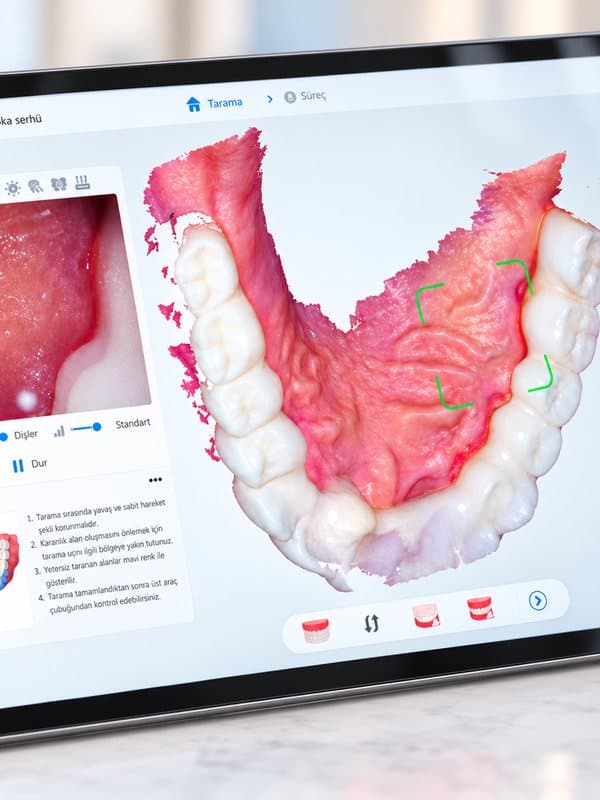
The process typically begins with a comprehensive evaluation, including X-rays and impressions, to assess the patient's oral health and bone density. A personalized treatment plan is then devised, taking into account factors such as the patient's overall health, lifestyle, and budget. Treatment options may vary significantly, from traditional dentures to innovative implant-supported solutions, making it essential for patients to understand the differences and benefits of each.
The Role of Dental Implants
Dental implants play a crucial role in full-arch rehabilitation. Unlike traditional dentures that rest on the gums, implants are surgically placed into the jawbone, providing a stable foundation for prosthetic teeth. This integration with the bone not only enhances stability but also helps prevent bone loss, a common consequence of tooth loss.
For example, a patient who opts for an implant-supported full-arch rehabilitation can expect a treatment where four to six implants are strategically placed to support a full set of prosthetic teeth. This method, often referred to as the "All-on-4" or "All-on-6" technique, allows for quicker recovery times and less invasive surgery compared to traditional methods, which may require bone grafting.
Types of Treatment Options for Full-Arch Rehabilitation
When considering full-arch dental rehabilitation, patients have several treatment options to choose from, each with its unique advantages and considerations. Below, we delve deeper into the most common treatment modalities.
1. Traditional Dentures
Traditional dentures have been a staple in dental rehabilitation for decades. These removable appliances are designed to replace missing teeth, restoring function and aesthetics. While they can effectively improve smiles, traditional dentures may not provide the same level of stability as implant-supported options.
Patients who choose traditional dentures must be aware of potential challenges, such as soreness, difficulty eating certain foods, and the need for regular adjustments. However, they remain a viable option for those who may not be candidates for dental implants due to health concerns or insufficient bone density.
2. Implant-Supported Dentures
Implant-supported dentures combine the benefits of dental implants with the convenience of dentures. These are secured to implants in the jawbone, providing greater stability and reducing the risk of slippage while eating or speaking. Depending on the patient's specific needs, the dentist may recommend a fixed or removable implant-supported denture.
For instance, an individual who has experienced significant tooth loss may benefit from a fixed implant-supported denture, which is permanently attached to the implants. This option offers enhanced comfort and function, allowing patients to enjoy a wider variety of foods without concern for their dental appliances.
3. Full-Arch Implant Bridges
Full-arch implant bridges represent one of the most advanced solutions for full-arch dental rehabilitation. Utilizing multiple implants, these bridges are permanently fixed in place, offering unparalleled stability and aesthetic appeal. Patients who choose this option can expect a functional restoration that closely mimics the appearance and performance of natural teeth.
Research indicates that patients with full-arch implant bridges often report higher satisfaction levels due to improved chewing ability and enhanced confidence. Moreover, the long-term success rates of these restorations are notably high, making them a preferred choice for many seeking full-arch rehabilitation.
Benefits of Full-Arch Dental Rehabilitation
Full-arch dental rehabilitation offers numerous benefits that extend beyond cosmetic enhancement. Understanding these advantages can help patients appreciate the value of investing in their dental health.
1. Improved Quality of Life
One of the most significant benefits of full-arch rehabilitation is the improvement in the quality of life. Patients often experience enhanced self-esteem, as a restored smile can have a profound impact on social interactions and personal relationships. Additionally, the ability to eat a diverse range of foods can lead to better nutrition and overall health.
2. Long-Term Durability
Dental implants used in full-arch rehabilitation are designed to last for many years, often a lifetime with proper care. Unlike traditional dentures, which may need replacement every few years, implant-supported solutions are durable and require minimal maintenance. This longevity can make them a cost-effective option in the long run.
Considerations and Potential Drawbacks
While full-arch dental rehabilitation presents numerous benefits, it is essential for patients to consider potential drawbacks. Understanding these factors can lead to informed decisions about their dental care.
1. Cost Implications
The cost of full-arch dental rehabilitation can vary significantly based on the treatment selected and the complexity of the procedure. Dental implants, in particular, may involve higher upfront costs compared to traditional dentures. However, the long-term benefits and durability often justify the investment for many patients.
2. Surgical Risks and Recovery
As with any surgical procedure, full-arch dental rehabilitation involves certain risks, including infection, nerve damage, or implant failure. Patients should engage in thorough discussions with their dental professionals to understand these risks and the recovery process involved. Following post-operative care instructions is crucial for ensuring a successful outcome.
Conclusion
In summary, full-arch dental rehabilitation offers a range of treatment options that cater to diverse patient needs and preferences. From traditional dentures to advanced implant-supported bridges, the choices available today empower individuals to restore their smiles and improve their quality of life. Understanding the benefits and considerations associated with each option is essential for making informed decisions about dental care.
If you're considering full-arch dental rehabilitation, we encourage you to consult with a qualified dental professional who can guide you through the process and help you choose the best treatment for your unique circumstances. Your journey to a healthier, more confident smile begins today.