



Front Tooth Implant: Why the Aesthetic Zone Requires Careful Planning
The journey to restoring a confident smile often leads to the consideration of dental implants, particularly when addressing issues with front teeth. A front tooth implant is not merely a functional restoration; it significantly impacts aesthetics, thus requiring meticulous planning. The aesthetic zone, which includes the visible anterior teeth, is crucial because the placement of implants here can affect one's overall appearance and self-esteem. In this article, we will delve into the importance of careful planning in the aesthetic zone concerning front tooth implants. By exploring the complexities, challenges, and solutions involved, we aim to provide a comprehensive understanding of why this area requires special attention.
Understanding the Aesthetic Zone
The aesthetic zone refers to the area of the mouth that is visible when a person smiles, primarily consisting of the upper front teeth, particularly the incisors and canines. This zone is critical not only for functional reasons, such as biting and chewing but also for social interactions and self-expression. A well-aligned and aesthetically pleasing smile can significantly boost confidence and improve one's quality of life.
When considering a front tooth implant, several factors come into play, including the position of the implant, the color and shape of the prosthetic tooth, and the relationship of the teeth to the gums. Aesthetic considerations must go beyond mere functionality; they must encapsulate the overall harmony of the face, lip line, and even the skin tone. For example, an implant that is too long or poorly aligned can disrupt the smile arc, leading to an unnatural appearance. Therefore, precise planning becomes paramount in achieving a successful outcome.
Factors Influencing Aesthetic Outcomes
Several factors influence the aesthetic outcomes of front tooth implants, including the type of implant used, the surgical technique, and the materials chosen for the prosthetic crown. For instance, titanium implants are widely recognized for their strength and biocompatibility, but the type of crown material—ceramic or porcelain—can significantly impact the final appearance. Aesthetic dentistry often favors all-ceramic crowns for their ability to mimic the translucency of natural teeth.
Moreover, the placement angle and depth of the implant are crucial. An implant placed too far buccally (toward the lips) can lead to visible metal edges, while improper depth can cause gum recession, exposing the implant and leading to aesthetic failure. Research indicates that up to 30% of aesthetic failures in front tooth implants are due to insufficient planning and consideration of these factors. Hence, a thorough pre-implant assessment, including 3D imaging, is essential to map out the ideal placement.
Pre-Implant Assessment and Planning
Before embarking on the front tooth implant journey, a comprehensive pre-implant assessment is vital. This assessment typically involves a detailed clinical examination, radiographic imaging, and a discussion of the patient's aesthetic goals. During the clinical examination, the dentist assesses the existing oral condition, including gum health, bone density, and the alignment of surrounding teeth.
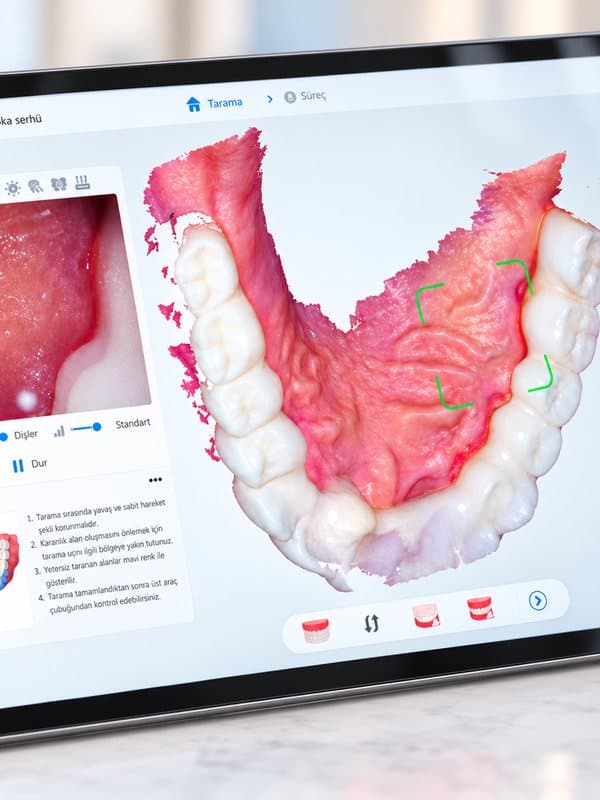
Radiographic imaging, particularly Cone Beam Computed Tomography (CBCT), provides a 3D view of the jawbone and surrounding structures. This advanced imaging technique allows for precise measurements of bone height and width, enabling the clinician to determine the most suitable implant size and position. Additionally, impression techniques, such as digital scans, can create a virtual model of the patient's mouth, aiding in the design of a custom prosthetic that complements the patient's natural smile.
Involving the Patient in the Planning Process
Involving the patient in the planning process is crucial for achieving desirable outcomes. A well-informed patient can express their aesthetic preferences and expectations, which can guide the clinician in tailoring the treatment plan. For example, utilizing mock-ups or aesthetic previews can help visualize the final outcome, allowing for adjustments before the actual procedure. This collaborative approach not only enhances patient satisfaction but also reduces the risk of aesthetic mishaps post-surgery.
Experts in the field advise that utilizing technology, such as digital smile design software, can facilitate better communication between the dentist and the patient. This technology allows dentists to create a digital mock-up of the patient's smile, providing a clear vision of the outcome before the procedure begins. Such proactive planning paves the way for a smoother transition from consultation to treatment.
Challenges in the Aesthetic Zone
While front tooth implants can dramatically improve aesthetics, various challenges can arise during the process. One of the most common challenges is bone loss in the aesthetic zone, which may result from tooth extraction, periodontal disease, or trauma. Insufficient bone can complicate the placement of the implant, requiring additional procedures such as bone grafting or sinus lifts to augment the bone structure.
Another significant challenge is the potential for gum recession. The aesthetic zone's proximity to the gums means that any surgical intervention can impact the surrounding soft tissue. Gum recession can expose the implant or the metal abutment, creating an unsightly appearance that detracts from the overall aesthetic outcome. Research indicates that maintaining healthy gum tissue around the implant is essential for long-term success, emphasizing the need for careful surgical techniques and postoperative care.
Post-Operative Considerations for Aesthetic Success
Post-operative care is equally important for achieving aesthetic success with front tooth implants. Proper oral hygiene practices, including regular dental check-ups and professional cleanings, are crucial for maintaining the health of both the implant and surrounding tissues. Patients should be educated about the importance of brushing and flossing around the implant site to prevent peri-implantitis, an inflammatory condition that can compromise aesthetic results.
Furthermore, ensuring regular follow-ups allows the dentist to monitor the healing process and address any concerns promptly. Studies have shown that patients who adhere to post-operative care recommendations experience higher satisfaction rates and improved aesthetic outcomes. In practice, this means patients should be encouraged to maintain open communication with their dental team, reporting any unusual symptoms or discomfort.
Conclusion
The journey of obtaining a front tooth implant is one that requires careful planning, particularly in the aesthetic zone. The visible nature of front teeth means that any missteps in placement or design can significantly impact a person's appearance and confidence. By understanding the complexities of the aesthetic zone, including pre-implant assessments, the challenges faced, and the importance of post-operative care, both clinicians and patients can work together to achieve optimal outcomes.
If you’re considering a front tooth implant, it’s crucial to consult with a qualified dental professional who understands the nuances of aesthetic dentistry. At Luma Clinic, we prioritize your aesthetic goals and ensure that every step of the process is tailored to your unique needs. Contact us today to schedule a consultation and take the first step towards a beautiful, confident smile!
FAQ
What is a front tooth implant?
A front tooth implant is a dental restoration procedure that involves placing an artificial tooth root into the jawbone to support a crown, bridge, or denture. It is particularly important in the aesthetic zone, which refers to the area of the mouth visible when smiling. Careful planning is essential to ensure that the implant looks natural and blends seamlessly with existing teeth.
Why is the aesthetic zone important in dental implants?
The aesthetic zone is critical in dental implants because it directly impacts a person's smile and facial appearance. A poorly placed front tooth implant can lead to an unnatural look, affecting self-esteem and confidence. Careful planning, including considerations of tooth alignment, gum contours, and facial symmetry, is necessary to achieve a pleasing aesthetic result that aligns with the patient's expectations.
What factors influence the planning of front tooth implants?
Several factors influence the planning of front tooth implants, including the patient's oral health, bone density, and gum tissue quality. Additionally, the position of adjacent teeth, facial structure, and aesthetic goals play crucial roles. A thorough examination by a dental professional will help determine the best approach to ensure the implant complements the patient's smile and overall facial aesthetics.
What are the risks of inadequate planning for front tooth implants?
Inadequate planning for front tooth implants can lead to various issues, such as improper alignment, insufficient support, and aesthetic mismatches. This can result in complications like gum recession, implant failure, or an unnatural appearance. By carefully planning the procedure, dentists can minimize these risks and enhance the longevity and success of the implant, ensuring a natural look and function.
How can I ensure successful outcomes for my front tooth implant?
To ensure successful outcomes for your front tooth implant, it is essential to choose an experienced dental professional who specializes in implantology. Communication about your aesthetic goals is vital, as is adhering to pre- and post-operative care instructions. Regular follow-ups and maintaining good oral hygiene will also contribute to the longevity of the implant and its natural appearance in the aesthetic zone.