



Facial asymmetry can be a significant concern for individuals, impacting not just aesthetics but also functional aspects such as jaw position and bite alignment. Understanding the implications of facial asymmetry and jaw position is crucial for determining when surgical evaluation is necessary. This article, titled "Facial Asymmetry and Jaw Position: When Is Surgical Evaluation Needed?", aims to provide a comprehensive overview of this topic, helping readers discern the indicators for surgical intervention and the various factors to consider when evaluating facial symmetry.
Understanding Facial Asymmetry
Facial asymmetry refers to the condition where two sides of the face are not mirror images, which is a common occurrence in humans. While minor asymmetries are normal, significant variations can lead to aesthetic concerns and may indicate underlying health issues. Various factors contribute to facial asymmetry, including genetics, developmental issues, trauma, and certain medical conditions. For example, conditions like hemifacial microsomia can lead to noticeable asymmetries due to underdevelopment of one side of the face.
Moreover, the perception of asymmetry varies across cultures and individual preferences, with some societies embracing diverse facial features while others prioritize symmetry as a standard of beauty. In clinical practice, facial asymmetry is often evaluated through a combination of visual assessments and advanced imaging techniques, allowing professionals to determine the degree of asymmetry and its potential implications. For instance, a study published in the "American Journal of Orthodontics and Dentofacial Orthopedics" found that even minor asymmetries could impact social interactions and self-esteem, highlighting the importance of addressing this issue.
Causes of Facial Asymmetry
Facial asymmetry can arise from a myriad of causes, both congenital and acquired. Genetic predispositions can play a significant role; for instance, certain hereditary conditions may affect facial development, leading to noticeable imbalances. Additionally, environmental factors such as injuries or trauma can result in acute changes to facial structure. For example, a person who has experienced a jaw fracture may develop asymmetry as the bones heal improperly, potentially necessitating surgical intervention.
In some cases, dental issues may also contribute to facial asymmetry. Misaligned teeth or jaw discrepancies can have a cascading effect on facial structure. According to research published in the "Journal of Oral and Maxillofacial Surgery," malocclusion—a misalignment of teeth—can exacerbate asymmetries in the jaw position. Therefore, addressing these dental issues through orthodontics or surgical means can significantly improve both function and aesthetics.
Jaw Position and Its Relation to Facial Asymmetry
The jaw position is a critical factor in determining facial symmetry. The relationship between the upper and lower jaw, known as the occlusal relationship, plays a vital role in how symmetrical a person's face appears. If the jaw is misaligned, it can lead to uneven facial features, contributing to an overall impression of asymmetry. For instance, a person with a retruded mandible may appear to have a less prominent chin and a more pronounced nose, creating an unbalanced look.
Furthermore, the impact of jaw position extends beyond aesthetics; it can affect functional elements such as chewing, speaking, and even breathing. For example, an overbite or underbite can lead to issues with jaw function, causing discomfort or pain. A comprehensive evaluation by an orthodontist or oral surgeon can identify these issues and determine the need for surgical correction. Research conducted by the "International Journal of Oral and Maxillofacial Surgery" indicates that correcting jaw position not only enhances facial harmony but also improves overall oral health.
Indicators for Surgical Evaluation
Recognizing when surgical evaluation is warranted for facial asymmetry and jaw position can be nuanced. Generally, candidates for surgical intervention exhibit significant asymmetry that affects both function and aesthetics. Symptoms such as chronic jaw pain, difficulty chewing, and speech impediments often signal the need for a professional assessment.
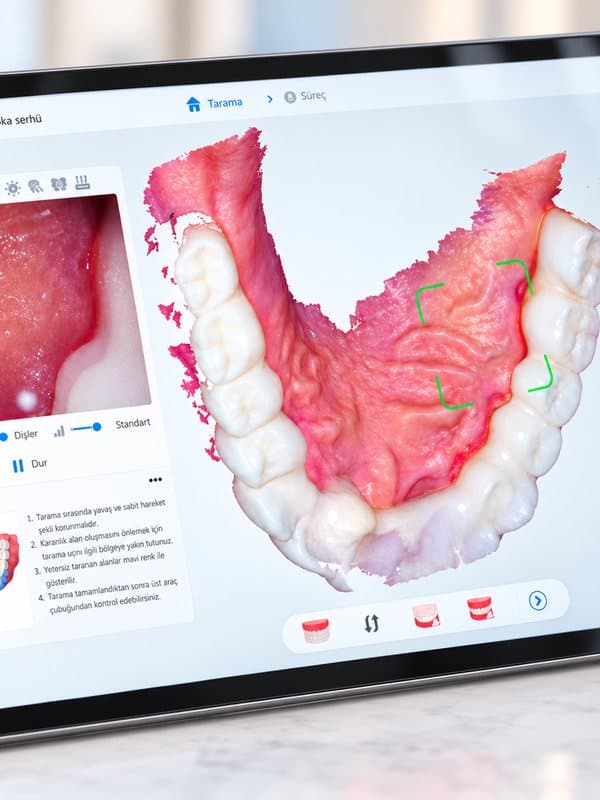
Moreover, individuals who experience psychological distress due to their facial appearance may also benefit from surgical evaluation. Studies show that facial asymmetry can lead to social anxiety and decreased self-esteem, underscoring the importance of addressing these concerns proactively. In practical terms, a thorough examination by a specialist, including imaging and possibly 3D modeling, is essential to determine the best course of action for surgical intervention.
Types of Surgical Procedures
When it comes to addressing facial asymmetry and jaw position, several surgical procedures are available, each tailored to the specific needs of the patient. Orthognathic surgery is one of the most common approaches, used to correct jaw misalignments that contribute to asymmetry. This procedure involves repositioning the upper and lower jaw to achieve a more balanced facial appearance.
Another option is facial contouring, which may include procedures like chin augmentation or reduction, cheek implants, or even rhinoplasty to enhance facial harmony. For example, a patient with a prominent chin may seek reduction surgery to create a more balanced profile. Additionally, minimally invasive techniques, such as fillers and Botox, can temporarily address asymmetry without the need for extensive surgery, offering patients a variety of options based on their specific needs and preferences.
Recovery and Post-Operative Considerations
Recovery from surgery aimed at correcting facial asymmetry and jaw position varies depending on the procedure performed. Generally, patients can expect swelling and discomfort during the initial recovery period, which can last from several days to a few weeks. Following instructions from the surgical team regarding diet, physical activity, and wound care is crucial for optimal healing.
Post-operative evaluations are essential to ensure that healing is progressing as expected and to monitor for any complications. Patients may also be referred for orthodontic treatment post-surgery to maintain the results achieved through surgical means. It is essential to understand that while surgery can significantly improve facial symmetry, ongoing care and maintenance are necessary to preserve the results. Research indicates that consistent follow-up care is linked to better long-term outcomes, enhancing both function and aesthetics.
Conclusion
In summary, understanding the relationship between facial asymmetry and jaw position is crucial for determining when surgical evaluation is needed. While minor asymmetries are common and often harmless, significant deviations can impact both appearance and function, warranting professional assessment. Surgical options, ranging from orthognathic procedures to facial contouring, provide effective solutions for those seeking to enhance their facial symmetry. If you or someone you know is struggling with facial asymmetry or jaw position issues, consider consulting a specialist to explore potential interventions. Remember, addressing these concerns can lead to improved quality of life and greater self-confidence.
FAQ
What causes facial asymmetry and jaw position issues?
Facial asymmetry and jaw position issues can arise from various factors, including genetics, developmental conditions, trauma, or dental misalignments. Environmental influences, such as habits like thumb-sucking or prolonged use of pacifiers during childhood, can also contribute. Understanding the root cause is crucial in determining whether surgical evaluation is necessary.
How can I tell if my facial asymmetry is severe enough to need surgery?
To assess if your facial asymmetry is severe enough to require surgical evaluation, consider the functional implications, such as difficulty in chewing or speaking, along with aesthetic concerns. Consulting with a healthcare professional who specializes in facial aesthetics or orthodontics is essential for a thorough evaluation and to discuss potential treatment options.
What types of surgical procedures are available for correcting facial asymmetry?
There are several surgical procedures available for correcting facial asymmetry, depending on the specific issues at hand. These may include orthognathic surgery to realign the jaw, facial implants to enhance symmetry, or soft tissue adjustments like lip or cheek fillers. A comprehensive evaluation will help determine the most suitable approach for each individual.
Is surgical evaluation for jaw position issues only for adults?
No, surgical evaluation for jaw position issues is not exclusive to adults. Children and adolescents may also require assessment, particularly if they experience developmental concerns or significant jaw misalignments. Early intervention can prevent further complications and improve overall facial symmetry, making it important to seek professional advice at any age.
How can I prepare for a consultation about facial asymmetry and jaw position?
Preparing for a consultation about facial asymmetry and jaw position involves gathering relevant medical history, including any previous treatments or assessments. It’s helpful to note specific concerns or symptoms you have experienced. Bringing photographs that showcase your facial features can also aid the specialist in understanding your situation better, leading to a more informed discussion about surgical evaluation options.