



Dental health plays a crucial role in overall well-being, and the loss of molars can significantly impact both function and aesthetics. Dental implants for missing molars have emerged as a reliable solution for restoring the chewing capability and maintaining the structure of the jaw. These implants offer a permanent option that mimics the natural tooth root, providing patients with the benefits of improved oral health, enhanced functionality, and increased confidence. Understanding the intricacies of dental implants for missing molars is essential for anyone considering this treatment. In this article, we will delve into what patients should know about dental implants for missing molars, covering everything from the procedure to aftercare, costs, and the advantages they offer over other tooth replacement options.
Understanding Dental Implants: A Comprehensive Overview
Dental implants are artificial tooth roots, typically made of titanium, that are surgically inserted into the jawbone to provide a stable foundation for replacement teeth. They are particularly beneficial for patients who have lost molars, which are critical for effective chewing and maintaining proper alignment in the mouth. The implant process involves several stages, starting with a thorough examination, followed by the surgical placement of the implant, and culminating in the attachment of the crown, which is the visible part of the tooth.
The primary advantage of dental implants for missing molars lies in their ability to integrate with the jawbone, a process known as osseointegration. This integration provides stability and strength, making dental implants a long-lasting solution. Unlike bridges or dentures, implants do not rely on adjacent teeth for support, which helps preserve the integrity of surrounding teeth and bone structure. According to the American Academy of Implant Dentistry, the success rate for dental implants can be as high as 98%, making them one of the most effective options for tooth restoration.
The Implant Procedure: What to Expect
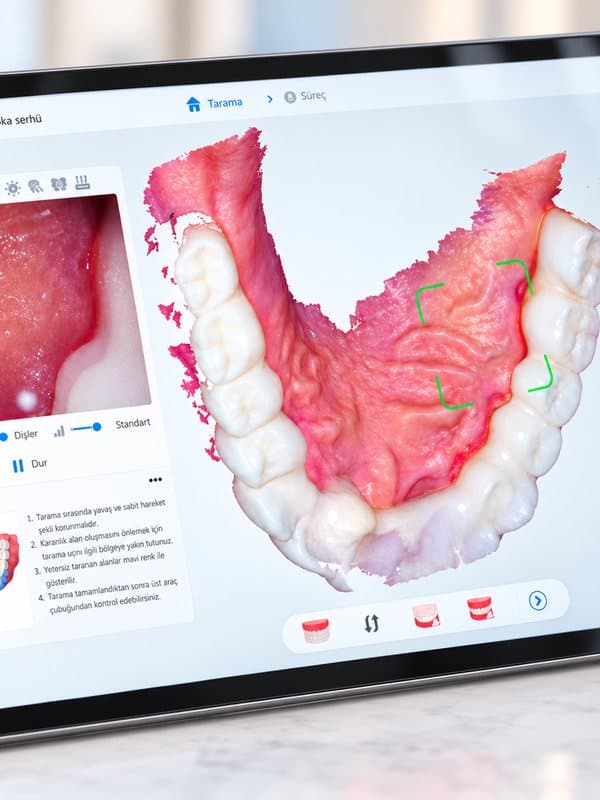
The dental implant procedure typically unfolds over several appointments. Initially, the dentist will conduct a comprehensive examination, including X-rays and 3D scans, to assess the condition of the jawbone and determine the appropriate implant size and location. For patients with inadequate bone density, bone grafting may be necessary to ensure a strong foundation for the implant.
Once the planning is complete, the surgical phase begins. The dentist will place the titanium implant into the jawbone under local anesthesia or sedation to minimize discomfort. After the implant is placed, a healing period of several months is necessary for osseointegration to occur, during which the bone grows around the implant, securing it in place. Following this healing phase, an abutment is attached to the implant, serving as a connector for the custom-made crown. Finally, the crown is placed, completing the restoration process.
Benefits of Dental Implants for Missing Molars
Choosing dental implants for missing molars offers numerous advantages over traditional tooth replacement options. One of the most significant benefits is improved oral health. Dental implants help prevent bone loss in the jaw, a common consequence of tooth loss. By maintaining the bone structure, implants help to preserve facial contours and prevent the sunken appearance often associated with missing teeth.
Moreover, dental implants restore functionality effectively. Unlike dentures, which may slip or cause discomfort while eating, dental implants allow patients to enjoy their favorite foods without worry. They provide a natural feel and appearance, boosting confidence and self-esteem. According to research by the Journal of Dental Research, patients with dental implants report higher satisfaction rates compared to those with traditional dentures.
Cost Considerations and Insurance Coverage
The cost of dental implants for missing molars can vary significantly based on several factors, including the complexity of the case, the materials used, and the geographic location of the dental practice. On average, the price of a single dental implant, including the crown, can range from $3,000 to $4,500. While this may seem steep, it is essential to consider the long-term investment. With proper care, dental implants can last a lifetime, making them more cost-effective than more temporary solutions that require frequent replacements.
Insurance coverage for dental implants can be complicated. Many dental insurance plans do not cover the entire procedure, but some may offer partial coverage for the surgical placement or the crown. Patients are encouraged to check with their insurance providers and discuss financing options with their dental office. Many clinics offer payment plans or financing options to help manage costs.
Aftercare and Maintenance of Dental Implants
Proper aftercare is crucial for the longevity of dental implants. Patients are advised to follow a strict oral hygiene regimen, including brushing twice daily and flossing regularly. Additionally, routine dental check-ups are essential for monitoring the health of the implants and surrounding tissues.
While dental implants are designed to be durable, they can still be susceptible to conditions like peri-implantitis, which is an inflammatory condition affecting the tissues surrounding the implant. This condition can lead to bone loss if not addressed promptly. Regular visits to the dentist for professional cleanings can help prevent such issues and ensure the continued success of the implants.
Common Misconceptions About Dental Implants
There are several misconceptions surrounding dental implants that can deter patients from considering them. One common myth is that dental implants are painful. However, with modern anesthesia and sedation techniques, the procedure is relatively painless. Another misconception is that implants are only suitable for older patients. In reality, as long as patients have sufficient bone density and good overall health, dental implants can be a viable option for individuals of various ages.
Another frequent concern is about the time commitment involved in the process. While the entire procedure can take several months due to the healing period, many patients find the results worth the wait. Ultimately, understanding the facts versus the myths can empower patients to make informed decisions about their dental health.
Conclusion: Embracing Dental Implants for Missing Molars
Dental implants for missing molars represent a transformative solution for individuals dealing with tooth loss. With numerous benefits, including improved oral health, enhanced functionality, and a significant boost in confidence, implants can profoundly impact a patient's quality of life. Understanding the procedure, costs, aftercare, and common misconceptions is essential for anyone considering this option.
If you are experiencing tooth loss and want to explore the possibility of dental implants, we encourage you to consult with a qualified dental professional. They can provide personalized guidance and help you determine the best course of action for your dental health needs. Dental implants might just be the solution you’ve been looking for!
FAQ
What are dental implants for missing molars?
Dental implants for missing molars are titanium posts surgically placed into the jawbone to serve as artificial tooth roots. They provide a stable foundation for crowns, bridges, or dentures, effectively replacing lost molars. This solution not only restores chewing function but also helps maintain jawbone health and facial structure, making it a popular choice for patients.
How long does the dental implant procedure take?
The dental implant procedure typically involves multiple stages and can take several months to complete. Initially, the implant is surgically placed in the jawbone, followed by a healing period of 3 to 6 months for osseointegration, where the bone fuses with the implant. After this, the crown or prosthetic tooth is attached, completing the process. Each case is unique, so timelines may vary based on individual circumstances.
Are dental implants for missing molars painful?
While patients may experience some discomfort during and after the dental implant procedure, it is generally manageable. Local anesthesia is used to numb the area during surgery, and over-the-counter pain relievers can help with any post-operative pain. Most patients report that the discomfort is less than expected, especially when compared to the pain of a tooth extraction.
What are the benefits of choosing dental implants for missing molars?
Dental implants for missing molars offer numerous benefits, including improved chewing efficiency, enhanced speech, and a natural appearance. They help prevent bone loss in the jaw, which can occur after tooth loss, and promote better oral health by maintaining adjacent teeth. Additionally, implants are durable and can last a lifetime with proper care, making them a cost-effective long-term solution.
Who is a suitable candidate for dental implants for missing molars?
Suitable candidates for dental implants for missing molars generally include adults in good overall health with sufficient jawbone density to support the implants. Patients should also be free from gum disease and willing to maintain good oral hygiene. A thorough evaluation by a dental professional will determine individual suitability, considering factors like medical history and lifestyle habits.