



Clear Aligners for Crowded Teeth: How Does Treatment Work?
When it comes to orthodontic solutions, "Clear Aligners for Crowded Teeth: How Does Treatment Work?" is a common question for many individuals seeking a straighter smile. Crowded teeth can lead to a range of oral health issues, including difficulty in cleaning, increased risk of cavities, and potential jaw problems. Thankfully, clear aligners present a discreet and effective alternative to traditional braces. This article will delve into the mechanics of clear aligners, the treatment process, and the benefits they offer for individuals with crowded teeth.
Understanding Crowded Teeth
Crowded teeth occur when there is insufficient space in the jaw for all of the teeth to fit comfortably. This can lead to overlapping or misaligned teeth, which not only affects aesthetics but also oral health. In some cases, genetics plays a significant role, as inherited traits can lead to jaw size discrepancies or dental arch development issues. Additionally, habits such as thumb sucking in childhood can contribute to crowded teeth.
To illustrate, consider a case study of a 25-year-old female patient with significant overcrowding. Her upper teeth overlapped considerably, making it challenging for her to floss effectively. This not only led to increased plaque buildup but also contributed to chronic gum inflammation. Such issues emphasize the need for a proactive approach to orthodontic care.
Research indicates that approximately 60% of adults experience some form of teeth misalignment, with overcrowding being the most prevalent issue among them. This highlights the importance of seeking treatment, as properly aligned teeth can lead to better oral hygiene, improved function, and enhanced self-esteem.
What are Clear Aligners?
Clear aligners are transparent, custom-made trays designed to gradually shift teeth into their desired positions. Unlike traditional braces, which use metal brackets and wires, clear aligners are made from durable plastic materials that are virtually invisible when worn. They are particularly appealing to adults and teens who prefer a discreet orthodontic solution.
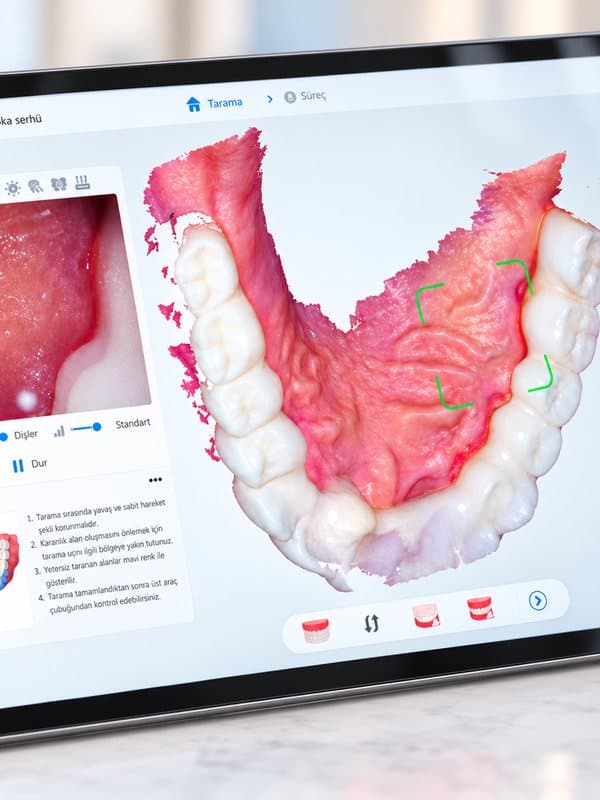
Manufactured using advanced 3D imaging technology, clear aligners are tailored to fit each patient’s teeth precisely. The aligners are designed to apply gentle pressure on specific teeth to guide them into place over time. Typically, patients will wear each set of aligners for about two weeks before progressing to the next set in the series, allowing for incremental adjustments.
A notable advantage of clear aligners is their removability, which allows for easy cleaning and the freedom to eat without restrictions. This feature is particularly beneficial for maintaining oral hygiene, as patients can brush and floss their teeth without obstruction. Studies show that patients using clear aligners report higher satisfaction levels regarding both comfort and aesthetics compared to traditional braces.
How Does the Treatment Process Work?
The journey to achieving a straighter smile with clear aligners begins with an initial consultation with an orthodontist. During this visit, the orthodontist will assess the patient's dental condition, discuss treatment goals, and determine if clear aligners are a suitable option. This step is crucial, as not all cases of crowded teeth may be effectively treated with clear aligners.
Once clear aligners are deemed appropriate, a comprehensive treatment plan is developed. This plan typically involves advanced imaging techniques such as 3D scans and X-rays of the patient’s teeth. The data collected is used to create a digital model of the patient's mouth, which helps in crafting a series of custom aligners that will be used throughout the treatment.
For example, a case study of a 30-year-old male patient revealed that he had severe crowding and an overbite. After the initial consultation, his orthodontist created a detailed treatment plan that outlined the gradual movement of his teeth over a period of 12 months. This included a series of aligners that were designed to address not only the crowding but also his bite issues.
Wearing and Caring for Clear Aligners
Clear aligners must be worn for 20 to 22 hours a day for optimal results. This means that they should only be removed for eating, drinking, brushing, and flossing. Adhering to this guideline ensures that the aligners can exert the necessary pressure on the teeth consistently throughout the day.
Patients are encouraged to maintain good oral hygiene by brushing their teeth before reinserting their aligners. This practice helps prevent food particles from getting trapped between the aligners and the teeth, which could lead to cavities and other oral health issues. Additionally, aligners should be cleaned regularly with mild soap or a specialized cleaning solution. Avoiding hot water is crucial, as it can warp the plastic material.
Expert opinions suggest that regular check-ins with an orthodontist are essential for monitoring progress. These appointments allow the orthodontist to make any necessary adjustments to the treatment plan and ensure that the teeth are moving as expected. For many patients, these visits occur every 6-8 weeks, providing an opportunity for patients to discuss any concerns and track their progress.
Benefits of Clear Aligners for Crowded Teeth
Clear aligners offer numerous advantages for individuals with crowded teeth. First and foremost, their aesthetic appeal is a significant draw. Many adults and teens prefer the discreet nature of clear aligners, allowing them to maintain confidence in their appearance during treatment.
Moreover, clear aligners are generally more comfortable than traditional braces. Patients often report experiencing less irritation to the gums and cheeks, which can be common with metal braces. This comfort extends to the treatment process as a whole, as there are no brackets or wires to adjust, making it a more pleasant experience overall.
Another key benefit is the flexibility that clear aligners provide. Because they are removable, patients can continue to enjoy their favorite foods without restriction. This is particularly beneficial for those who might otherwise have to avoid certain foods with traditional braces. Additionally, the ease of cleaning aligners contributes to better oral hygiene, reducing the likelihood of dental issues during treatment.
Common Misconceptions About Clear Aligners
Despite their growing popularity, several misconceptions persist regarding clear aligners. One of the most common myths is that they are only effective for mild orthodontic issues. In reality, clear aligners can treat various cases, including moderate to severe crowding, as long as the treatment plan is tailored appropriately.
Another misconception is that clear aligners require less commitment than traditional braces. While it is true that clear aligners offer more flexibility, patients still need to be diligent about wearing them as prescribed. Failure to do so can lead to extended treatment times and unsatisfactory results.
Lastly, some individuals believe that clear aligners are significantly more expensive than traditional braces. While the cost can vary based on the complexity of the case and the provider, many orthodontists offer competitive pricing for clear aligners, often making them a financially feasible option for many patients.
Conclusion
In summary, clear aligners are an effective and appealing solution for individuals dealing with crowded teeth. By understanding "Clear Aligners for Crowded Teeth: How Does Treatment Work?", patients can better appreciate the treatment process and the benefits these aligners offer. From their aesthetic advantages to the comfort and flexibility they provide, clear aligners represent a modern approach to orthodontic care. If you are considering clear aligners, consult with an orthodontist to explore your options and take the first step toward achieving your dream smile.
FAQ
What are clear aligners and how do they help with crowded teeth?
Clear aligners are custom-made, transparent plastic trays designed to gradually shift teeth into their proper positions. They are particularly effective for crowded teeth, where the teeth overlap or are misaligned. By applying gentle, controlled pressure, clear aligners help to create space and align teeth over time, making them a popular alternative to traditional metal braces.
How long does treatment with clear aligners typically take for crowded teeth?
The duration of treatment with clear aligners for crowded teeth varies depending on the complexity of the case. Generally, treatment can last anywhere from six months to two years. After an initial assessment, your orthodontist will provide a personalized timeline based on your specific dental needs and the degree of crowding, ensuring you achieve optimal results.
Do clear aligners hurt when correcting crowded teeth?
While some discomfort may occur when starting a new set of clear aligners for crowded teeth, it is usually mild and temporary. Patients often feel pressure on their teeth as they adjust to the aligners. This sensation is a normal part of the treatment process, indicating that the aligners are effectively moving the teeth. Over-the-counter pain relief can help alleviate any discomfort during this adjustment period.
How often should I wear my clear aligners for best results?
For optimal results with clear aligners for crowded teeth, it is recommended to wear them for 20 to 22 hours a day. This consistent wear ensures that the aligners apply continuous pressure on the teeth, promoting effective movement. Only remove the aligners when eating, drinking (anything other than water), or brushing your teeth to maintain the treatment schedule and achieve the best outcome.
Can clear aligners fix all types of crowding in teeth?
While clear aligners are effective for many cases of crowded teeth, not every type of crowding can be corrected with them. Mild to moderate crowding is typically manageable with clear aligners, but severe cases may require additional treatments or even traditional braces. Consulting with an orthodontist will help determine the best approach for your specific dental situation and ensure you receive the most appropriate treatment.