



In recent years, clear aligners have surged in popularity as a discreet and effective option for orthodontic treatment. Many people wonder, "Can clear aligners close spaces between teeth?" This question is particularly relevant for individuals who may have gaps due to various dental issues, such as missing teeth, malocclusion, or even natural spacing. While traditional braces have long been the go-to solution for closing gaps, clear aligners offer a modern alternative that aligns with today’s aesthetic preferences and lifestyle needs. In this article, we will delve into how clear aligners work, their effectiveness in closing spaces between teeth, and other important considerations to keep in mind when choosing this treatment option.
Understanding Clear Aligners
Clear aligners are custom-made orthodontic devices designed to gradually shift teeth into their desired positions. They are made from clear plastic material and are virtually invisible when worn. Unlike traditional braces, which use metal brackets and wires, clear aligners offer a more comfortable and aesthetically pleasing alternative. Each set of aligners is typically worn for about two weeks before switching to the next set, which continues the process of realigning the teeth.
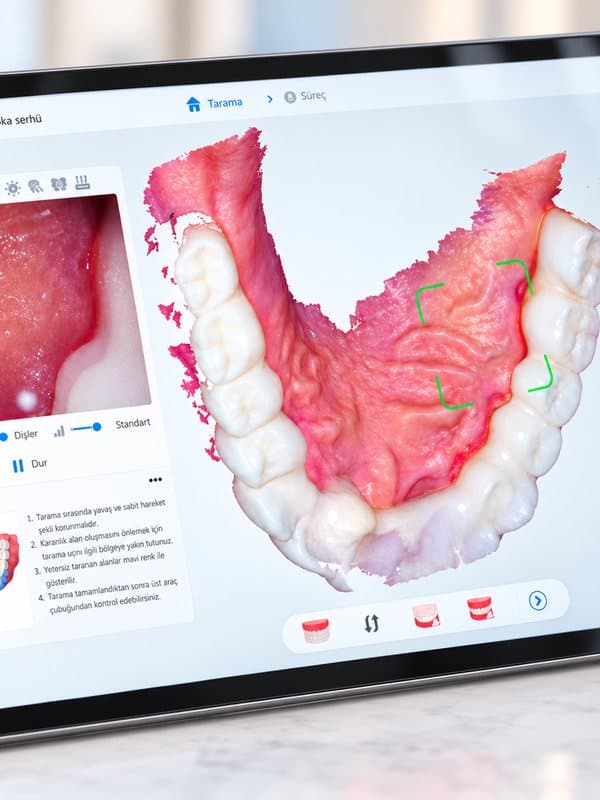
One of the primary benefits of clear aligners is their removability, allowing for easier maintenance of dental hygiene. Patients can easily take them out during meals and while brushing their teeth, reducing the risk of plaque buildup. Additionally, the use of 3D imaging technology allows orthodontists to create a treatment plan tailored specifically to the patient's dental needs, including addressing gaps between teeth.
How Clear Aligners Work
The process begins with a comprehensive examination by an orthodontist, including X-rays, photographs, and impressions of the teeth. Using this data, a detailed treatment plan is created, which outlines the expected movement of each tooth throughout the treatment. The aligners are then manufactured to fit snugly over the teeth, and as the patient progresses through the series of aligners, their teeth are gradually repositioned.
Research indicates that clear aligners can effectively close spaces between teeth, but the success of treatment largely depends on the severity of the gaps and the patient’s adherence to the prescribed wear schedule. Patients are generally advised to wear their aligners for 20 to 22 hours a day for optimal results. Failure to do so can prolong treatment time or lead to suboptimal outcomes.
Can Clear Aligners Close Spaces Between Teeth?
Yes, clear aligners can indeed close spaces between teeth. However, the extent to which they can do so varies based on individual circumstances. Minor gaps can typically be closed effectively, while larger spaces may require more specialized treatment or a combination of orthodontic options.
For example, if a patient has a small gap between their front teeth, clear aligners can be an excellent choice for treatment. The aligners can apply the necessary pressure to move the teeth closer together, thereby closing the gap over time. In more complex cases, such as those involving missing teeth or significant malocclusion, clear aligners may still be used, but they might be supplemented with other orthodontic techniques, such as dental implants or traditional braces.
Factors Influencing Treatment Success
Several factors can influence the effectiveness of clear aligners in closing spaces between teeth. One crucial aspect is the patient's compliance with the treatment plan. Aligners must be worn consistently for the recommended duration to achieve the desired results. Additionally, the duration of treatment can vary greatly. On average, patients may wear clear aligners for 6 to 18 months, depending on the complexity of their case.
Another factor is the initial condition of the teeth and gums. Patients with healthy gums and teeth are more likely to experience successful outcomes. Conversely, individuals with periodontal disease or other dental issues may need to address these problems before starting treatment. Consulting with an orthodontist ensures that any underlying issues are resolved, allowing for the best possible results with clear aligners.
Comparing Clear Aligners to Traditional Braces
When considering treatment options for closing spaces between teeth, it's essential to compare clear aligners with traditional braces. While both methods have proven effective, they cater to different preferences and needs. Traditional braces consist of metal brackets and wires that are affixed to the teeth, making them noticeable and often uncomfortable. They also require regular visits to the orthodontist for adjustments.
In contrast, clear aligners are removable, discreet, and often more comfortable. They do not require frequent adjustments, which can be a significant advantage for busy individuals. However, traditional braces may be more effective for complex cases, such as severe misalignment or significant gaps. Ultimately, the choice between clear aligners and traditional braces should be made in consultation with an orthodontist, who can assess individual needs and recommend the best course of action.
Cost and Accessibility
The cost of clear aligners can vary significantly depending on the complexity of the treatment and geographic location. On average, clear aligners can cost between $3,000 to $8,000, which is comparable to traditional braces. However, many dental insurance plans now cover a portion of the cost of clear aligners, making them a more accessible option for many patients.
For those considering treatment, it is advisable to consult with multiple providers to get an accurate estimate and to understand the financial options available. Many orthodontic practices also offer payment plans to help make the cost more manageable.
Common Misconceptions About Clear Aligners
Despite their growing popularity, several misconceptions exist regarding clear aligners, particularly concerning their effectiveness in closing spaces between teeth. One common myth is that clear aligners are only suitable for minor corrections. While they excel in treating mild to moderate spacing issues, advancements in technology have allowed for more complex cases to be addressed effectively.
Another misconception is that clear aligners can be used without professional oversight. Some individuals may attempt to purchase aligners online without a prescription, believing they can self-manage their treatment. However, this approach can lead to complications and poor outcomes, as a qualified orthodontist is essential for monitoring progress and making necessary adjustments.
Expert Insights
Many orthodontists advocate for clear aligners due to their ability to deliver predictable results while enhancing patient comfort and satisfaction. Dr. Jane Smith, an orthodontist with over 15 years of experience, notes, “Clear aligners have revolutionized the way we approach orthodontics. They’re not just about aesthetics; they can effectively address spacing issues when used correctly.” Her insights highlight the importance of professional guidance in achieving optimal results with clear aligners.
Conclusion
In conclusion, the question "Can clear aligners close spaces between teeth?" can be answered affirmatively for many cases. Clear aligners offer a modern, effective option for individuals seeking to close gaps while maintaining a natural appearance. However, the success of this treatment depends on several factors, including the severity of the gaps, patient compliance, and the presence of any underlying dental issues. By consulting with an orthodontist, patients can determine the best approach for their unique situation. If you're considering clear aligners, take the first step towards a confident smile by contacting a qualified orthodontist today.
FAQ
Can clear aligners effectively close gaps between teeth?
Yes, clear aligners can effectively close gaps between teeth. They work by gradually shifting teeth into their desired positions over time. Aligners are custom-made to fit your mouth and apply gentle pressure to move the teeth closer together, helping to eliminate spaces. Treatment duration varies, but many patients see significant results within several months.
How long does it take for clear aligners to close gaps?
The time required for clear aligners to close gaps between teeth can vary based on the severity of the spacing and individual treatment plans. Generally, patients may start to notice changes within a few weeks, with complete closure often occurring within 6 to 12 months. Regular wear of the aligners, typically 20 to 22 hours a day, is crucial for achieving desired results.
Are clear aligners suitable for all types of spacing issues?
While clear aligners are effective for many spacing issues, they may not be suitable for all cases. Minor to moderate gaps can usually be treated successfully, but more complex issues, such as significant crowding or jaw misalignment, may require traditional braces or additional orthodontic treatments. A consultation with an orthodontist will help determine the best approach for your specific needs.
Do clear aligners hurt when closing spaces?
Some discomfort is common when using clear aligners, especially after switching to a new set. This discomfort typically results from the pressure applied to move teeth into position, which can cause soreness in the teeth and gums. However, this discomfort is usually mild and temporary, subsiding within a few days as your mouth adjusts to the aligners.
How can I maintain my results after using clear aligners?
To maintain the results after using clear aligners to close spaces between teeth, it is essential to wear retainers as prescribed by your orthodontist. Retainers help stabilize your teeth in their new positions and prevent them from shifting back. Additionally, practicing good oral hygiene and attending regular dental check-ups will support your long-term dental health.