



When faced with a tooth extraction, many patients wonder about the potential of a dental implant. Specifically, the question arises: Can a dental implant be placed immediately after tooth extraction? This topic is of great importance for those seeking a seamless transition from a natural tooth to an artificial replacement. Understanding the intricacies of this procedure not only aids in making informed decisions but also enhances the overall experience of dental care. This article aims to delve deep into the feasibility, benefits, risks, and considerations of immediate dental implants following tooth extraction, providing valuable insights for anyone contemplating this option.
Understanding Dental Implants
A dental implant is a surgical fixture that is embedded into the jawbone, acting as a replacement root for a missing tooth. Typically made from titanium, dental implants fuse with the bone over time through a process known as osseointegration. This integration provides a stable foundation for a crown, bridge, or denture, ultimately restoring function and aesthetics to the patient’s smile. The implant procedure generally involves several steps, including initial assessment, placement, healing, and finally, crown placement.
The immediate placement of dental implants after extraction is an emerging practice in modern dentistry aimed at minimizing the treatment timeline and reducing the need for subsequent surgeries. This technique can significantly enhance patient satisfaction and reduce the psychological impact of tooth loss. However, its success depends on various factors, including the health of the surrounding bone, the condition of the extracted tooth, and the patient's overall oral health.
Immediate vs. Delayed Implant Placement
Immediate implant placement occurs when the dental implant is inserted into the extraction site right after the tooth is removed, while delayed placement involves waiting weeks or months for the site to heal before placing the implant. Each approach has its benefits and drawbacks. Immediate placement often results in fewer surgical interventions and a shorter overall treatment time. Conversely, delayed placement allows for better healing of the gum tissue and can lead to a more stable implant if the bone structure is compromised.
Factors Influencing Immediate Implant Placement
Several factors determine whether a dental implant can be placed immediately following tooth extraction. These include:
- Bone Quality and Quantity: The density and volume of the jawbone at the extraction site are critical. Adequate bone structure is essential for the stability of the implant. Insufficient bone may require bone grafting before any implant placement can occur.
- Type of Tooth Being Extracted: Front teeth, which often have a more aesthetic importance, may be more suitable for immediate implants compared to molars, where the forces of chewing are greater.
- Infection or Disease: If the extracted tooth was affected by periodontal disease or infection, immediate placement may pose a higher risk due to potential complications.
Consultation with an experienced dental professional is crucial to evaluate these factors thoroughly. Each patient's case is unique, and personalized recommendations are necessary for optimal outcomes.
Benefits of Immediate Dental Implants
The potential advantages of opting for immediate dental implant placement include:
- Reduced Treatment Time: By eliminating the waiting period for implant placement, patients can achieve a complete smile restoration much sooner.
- Preservation of Bone Structure: Immediate placement can help maintain the integrity of the jawbone, preventing resorption that often occurs after tooth loss.
- Enhanced Aesthetic Outcomes: Immediate implants can provide better cosmetic results, especially in the anterior region, allowing for a more natural-looking smile.
Patients are often motivated by these benefits, making it an attractive option for many individuals facing tooth extraction.
Risks and Considerations
Despite the advantages, immediate dental implant placement does come with certain risks and considerations. It is essential for patients to be aware of these factors:
- Higher Failure Rates: Studies indicate that immediate implants may have a slightly higher failure rate compared to delayed placements. Factors such as infection, insufficient bone, and improper positioning can lead to complications.
- Increased Surgical Complexity: The procedure requires a high level of skill and experience from the dental surgeon, as the timing and technique must be precise to ensure success.
- Post-Operative Care: Patients may need to adhere to strict post-operative care instructions, including dietary restrictions and follow-up appointments to monitor healing.
Understanding these risks allows patients to engage in informed discussions with their dental providers. Addressing concerns and expectations upfront can lead to better treatment outcomes.
Case Studies and Success Rates
Research indicates that immediate dental implants can be successful in a variety of scenarios. For instance, a study published in the Journal of Oral Implantology highlighted success rates ranging from 85% to 95% for immediate implants placed in healthy patients with good bone quality. Moreover, a clinical case reported by a leading dental institute showcased a patient receiving an immediate implant following an extraction due to trauma. The implant remained stable after two years, demonstrating the potential for immediate placement in selected cases.
How the Procedure Works
The process of placing a dental implant immediately after extraction generally involves the following steps:
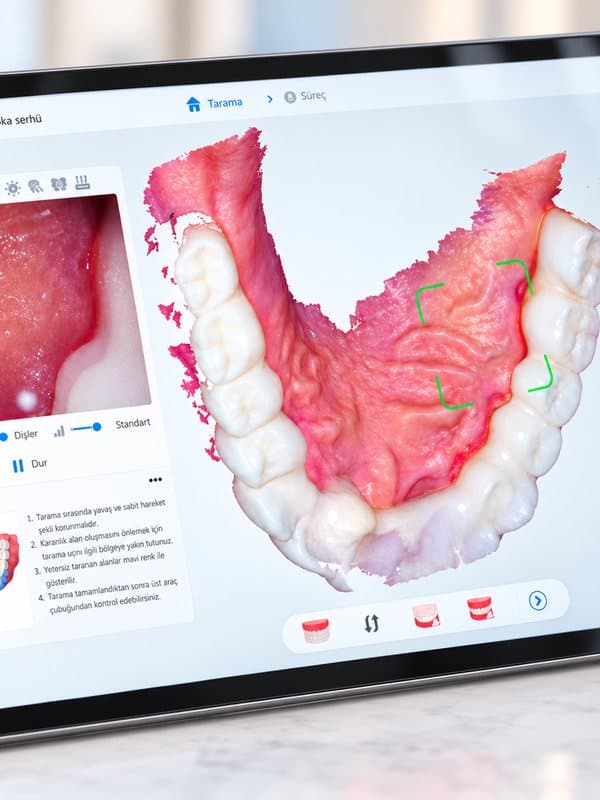
- Evaluation: The dentist conducts a thorough evaluation, including X-rays, to assess the condition of the extraction site and surrounding bone.
- Extraction: The tooth is carefully extracted, preserving as much bone as possible.
- Implant Placement: The implant is placed directly into the prepared socket, and in some cases, a temporary crown may be attached to allow for immediate aesthetics.
- Follow-Up: Regular follow-up appointments are scheduled to monitor healing and integration of the implant.
Following these steps can lead to a successful outcome, but patient compliance and diligence in post-operative care are vital for long-term success.
Post-Operative Care and Maintenance
After an immediate dental implant placement, patients must follow specific care instructions to promote healing:
- Oral Hygiene: Maintaining good oral hygiene is crucial. Gentle brushing and rinsing with an antibacterial mouthwash can help prevent infection.
- Dietary Adjustments: Patients should stick to soft foods and avoid hard or chewy items that could disturb the implant site.
- Regular Check-Ups: Attending all follow-up appointments allows the dentist to monitor the healing process and address any issues promptly.
Proper adherence to these post-operative guidelines significantly enhances the chances of successful integration and longevity of the implant.
Conclusion
In summary, the question, "Can a dental implant be placed immediately after tooth extraction?" can be answered affirmatively for many patients, provided certain conditions are met. Immediate dental implant placement offers numerous benefits, including reduced treatment time and better preservation of bone structure. However, it is essential to consider the individual patient's circumstances, including bone quality and overall health. Consulting with a qualified dental professional is crucial to determine the best course of action tailored to specific needs. If you are facing tooth extraction and are considering dental implants, reach out to our clinic for an evaluation and personalized treatment plan. Your journey to a restored smile begins with informed decision-making.
| Factor | Immediate Implant Placement | Delayed Implant Placement |
|---|---|---|
| Time to Restoration | Shorter (Weeks) | Longer (Months) |
| Bone Preservation | Better | Variable |
| Success Rate | 85-95% | Higher for compromised bone |
| Surgical Complexity | Higher | Lower |
FAQ
Can a dental implant be placed immediately after tooth extraction?
Yes, a dental implant can be placed immediately after tooth extraction in certain cases. This procedure, known as immediate implant placement, is possible when the tooth extraction site is healthy and has enough bone density to support the implant. A thorough evaluation by a dental professional is essential to determine if this option is suitable for the patient.
What are the benefits of placing a dental implant immediately after extraction?
Placing a dental implant immediately after extraction offers several benefits, including reduced treatment time and fewer surgical procedures. It helps preserve the jawbone and gum tissue, minimizing bone loss that can occur after tooth extraction. Additionally, immediate placement can improve aesthetics and restore function more quickly for the patient.
What factors determine if an immediate dental implant is possible?
Factors that determine if an immediate dental implant is possible include the condition of the tooth and surrounding bone, the presence of infection, and the overall health of the patient. Adequate bone density and a healthy gum environment are crucial for the success of the implant. A dental professional will conduct imaging tests to assess these conditions before proceeding.
What is the recovery process after immediate dental implant placement?
The recovery process after immediate dental implant placement typically involves following post-operative care instructions provided by the dentist. Patients may experience some swelling and discomfort, which can be managed with prescribed pain relief. It’s important to maintain oral hygiene and attend follow-up appointments to monitor the healing process and ensure the implant is integrating properly with the bone.
Are there any risks associated with immediate dental implant placement?
Yes, there are risks associated with immediate dental implant placement, including implant failure, infection, and insufficient bone integration. Factors such as the patient's health, oral hygiene, and adherence to aftercare instructions play a significant role in the success of the procedure. A discussion with a dental professional about potential risks and benefits is crucial before making a decision.