



Adult Orthodontic Consultation: What Is Evaluated Before Treatment?
Embarking on an orthodontic journey as an adult can be both exciting and daunting. The first step, the adult orthodontic consultation, is crucial as it sets the stage for any future treatment. This initial meeting is not merely a formality; it is a comprehensive evaluation designed to assess your oral health, understand your unique orthodontic needs, and determine the best course of action for achieving your desired smile. During this consultation, a variety of factors are meticulously reviewed, including your dental history, current oral health status, and specific aesthetic goals. Understanding what is evaluated during this consultation can help alleviate any apprehensions and ensure that you are well-prepared for the process ahead.
Understanding Your Dental History
One of the first aspects evaluated during an adult orthodontic consultation is your dental history. This background information is vital, as it provides insights into your oral health journey and any previous orthodontic treatments you may have undergone. For example, if you had braces as a child, the orthodontist would want to know the duration of treatment, whether you wore a retainer afterward, and any relapse issues that may have occurred. These details help the orthodontist gauge the complexity of your current case and tailor their approach accordingly.
Moreover, the orthodontist will inquire about your overall dental health, including any past or present issues such as cavities, gum disease, or tooth extractions. Understanding your dental history allows the orthodontist to assess potential complications and devise a treatment plan that accommodates any existing conditions. Additionally, if you have had experiences with other dental specialists, sharing this information can provide valuable context for your orthodontist, facilitating a more cohesive treatment strategy.
The Importance of a Comprehensive Dental Examination
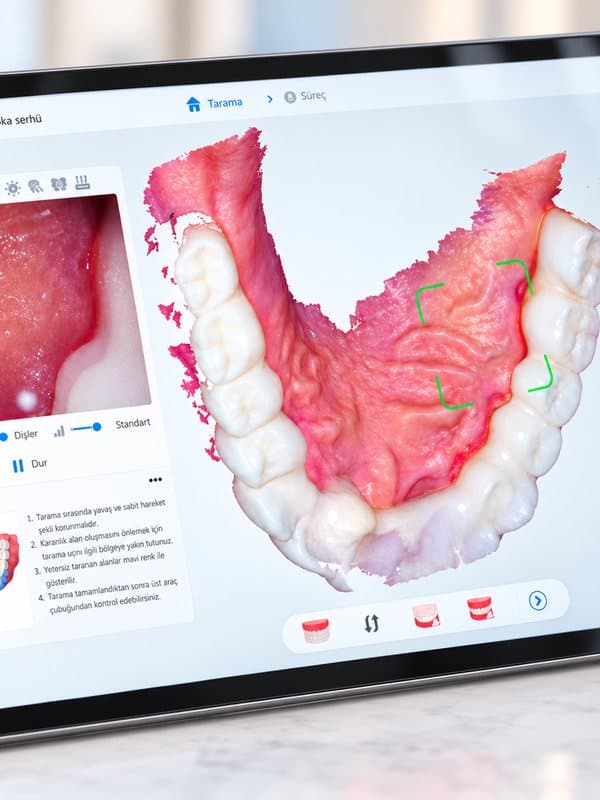
During the adult orthodontic consultation, a detailed dental examination will be performed. This examination typically involves a thorough inspection of your teeth, gums, and jaw alignment. The orthodontist will look for any signs of decay, gum disease, or misalignment issues that could affect your treatment plan. Digital X-rays may also be utilized to get a clearer picture of your dental structure, including the position of your roots and the health of your jawbone.
For instance, if the X-rays reveal impacted teeth or other anomalies, the orthodontist can factor this into your treatment plan. Such findings are essential as they may necessitate additional procedures, such as tooth extractions or referral to an oral surgeon, before orthodontic treatment can begin. This thorough examination ensures that no underlying issues go unaddressed, which could prolong the treatment or compromise the results.
Evaluating Your Current Oral Health
Another significant aspect of the adult orthodontic consultation is evaluating your current oral health. This evaluation encompasses not only the condition of your teeth and gums but also the functionality of your bite. The orthodontist will assess how your upper and lower teeth fit together when you bite down, looking for any misalignments that could lead to discomfort or further dental issues.
A common concern among adults seeking orthodontic treatment is the presence of an overbite, underbite, or crossbite. These misalignments can lead to uneven wear on teeth, jaw pain, and other complications if left untreated. By examining your bite, the orthodontist can recommend appropriate solutions, such as braces or clear aligners, to correct these issues. Additionally, if you have issues like temporomandibular joint (TMJ) disorders, these will also be taken into account, as they may influence the recommended treatment approach.
Assessing Aesthetic Goals and Expectations
In addition to dental health, understanding your aesthetic goals is crucial during the adult orthodontic consultation. Every patient has unique desires regarding their smile, and the orthodontist will take the time to discuss these expectations thoroughly. Whether you are looking for a subtle enhancement or a dramatic transformation, clear communication about your goals is essential for achieving satisfactory results.
For example, some adults may be concerned about the visibility of braces and prefer alternatives like clear aligners. Others may have specific concerns about tooth gaps or spacing that they want to address. By aligning your expectations with the orthodontist's professional insights, you can establish a realistic treatment plan that meets your needs. Furthermore, the orthodontist may show you before-and-after images of past patients, helping you visualize potential outcomes and motivating you throughout your treatment journey.
Creating a Personalized Treatment Plan
Once all evaluations are complete, the orthodontist will work on creating a personalized treatment plan tailored to your specific needs. This plan will consider your dental history, current oral health, and aesthetic goals, ensuring a comprehensive approach to your treatment. Depending on the complexity of your case, the orthodontist may suggest various orthodontic options such as traditional braces, ceramic braces, or clear aligners like Invisalign.
The treatment plan will outline not only the type of braces or aligners recommended but also the expected duration of treatment and any additional procedures that may be necessary. For instance, if your case involves significant misalignment or jaw issues, the plan may include orthodontic surgical options to achieve the best results. Having a clear understanding of the proposed treatment helps set realistic expectations and prepares you mentally for the journey ahead.
Financial Considerations and Insurance Coverage
Another important aspect addressed during the adult orthodontic consultation is financial considerations. Orthodontic treatment can be a significant investment, and discussing costs upfront can help manage expectations. The orthodontist's team will typically provide you with a detailed breakdown of the treatment costs, including potential payment plans, financing options, and insurance coverage.
Understanding your insurance benefits is crucial, as many plans offer partial coverage for orthodontic treatments. The orthodontic office can assist in verifying your benefits and submitting claims on your behalf, easing the financial burden. Moreover, knowing the costs involved allows you to make informed decisions about your treatment options and plan accordingly, ensuring that your journey to a healthier smile is as stress-free as possible.
Common Concerns and Misconceptions
Many adults considering orthodontic treatment may have concerns or misconceptions about the process. One common myth is that orthodontic treatment is only for children and teenagers. In reality, more adults than ever are seeking orthodontic care, with advancements in technology making treatment more accessible and discreet. Understanding these misconceptions can help you approach your consultation with a clear mind and realistic expectations.
Another concern often raised is the fear of discomfort associated with braces. While it is true that adjustments may cause temporary discomfort, modern orthodontic techniques focus on minimizing pain and maximizing comfort. Clear aligners, in particular, are designed to be gentle on the teeth and gums, making them a popular choice for adults seeking a less invasive option. By discussing these concerns openly during your consultation, you can gain valuable insights into the treatment process and alleviate any fears.
Conclusion
An adult orthodontic consultation is a vital first step in your journey toward achieving a healthier, more beautiful smile. By understanding what is evaluated during this process—including your dental history, current oral health, aesthetic goals, and financial considerations—you can approach your treatment with confidence and clarity. Remember, open communication with your orthodontist is key to ensuring that your treatment plan aligns with your needs and expectations. If you’re ready to take the first step toward transforming your smile, schedule your consultation today and discover the personalized care that awaits you at Luma Clinic.
FAQ
What is the purpose of an Adult Orthodontic Consultation?
The purpose of an Adult Orthodontic Consultation is to assess your oral health and determine the best orthodontic treatment plan for your individual needs. During this consultation, the orthodontist evaluates your teeth, bite, and jaw alignment. They also review your dental history and discuss any concerns you may have, ensuring a tailored approach to your orthodontic care.
What specific factors are evaluated during the consultation?
During an Adult Orthodontic Consultation, several key factors are evaluated, including the alignment of your teeth, the position of your jaw, and any existing dental issues such as cavities or gum disease. The orthodontist may take X-rays, photographs, and impressions to gain a comprehensive understanding of your dental structure, which helps in formulating an effective treatment plan.
How long does an Adult Orthodontic Consultation typically last?
An Adult Orthodontic Consultation typically lasts between 30 minutes to an hour. This time allows the orthodontist to conduct a thorough examination, discuss your concerns and treatment options, and answer any questions you may have. It's essential to allow enough time for a complete evaluation, ensuring that all aspects of your orthodontic needs are addressed.
Will I need any additional tests during the consultation?
Yes, during an Adult Orthodontic Consultation, you may need additional tests such as X-rays or digital scans. These tests provide detailed images of your teeth and jaw, helping the orthodontist identify any hidden issues that may affect your treatment options. Depending on your situation, the orthodontist might also recommend further evaluations by other dental specialists.
What should I prepare for my Adult Orthodontic Consultation?
To prepare for your Adult Orthodontic Consultation, gather any relevant dental records, including past treatment details and X-rays, if available. Make a list of questions or concerns you wish to discuss, and be ready to provide your medical history, including medications and any health conditions. This preparation will help the orthodontist tailor the evaluation and recommendations to your specific needs.